 blog
Is Core Aeration Worth It for Ohio Lawns?
Table of Contents
- What Core Aeration Is and How It Works
- Signs Your Ohio Lawn Needs Core Aeration
- Best Time to Aerate a Lawn in Ohio
- Core Aeration vs. Liquid Aeration: Which Method Works Better
- Aeration and Overseeding: A Powerful Combination
- What to Do After Lawn Aeration for Best Results
- Is Core Aeration Worth the Investment for Your Lawn?
- Frequently Asked Questions
Last Updated: October 12, 2026
What Core Aeration Is and How It Works
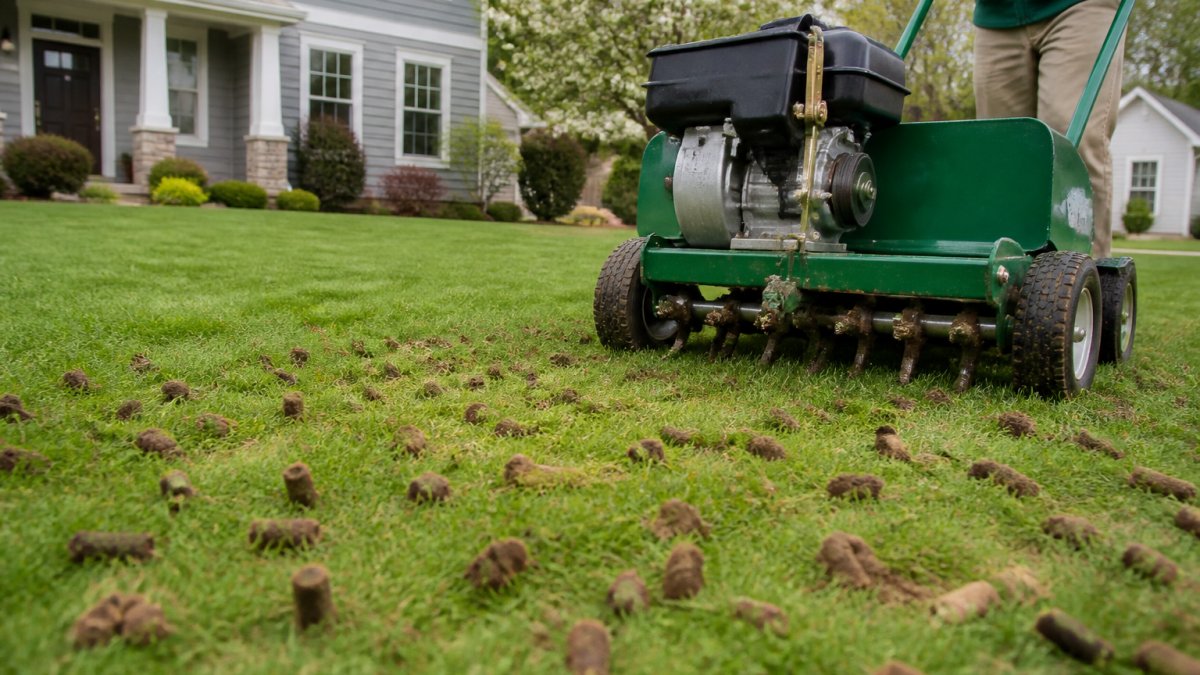
Core aeration removes small plugs of soil from your lawn to relieve compaction. A core aerator pulls out thousands of pencil-sized soil cores, creating holes that let air, water, and nutrients reach the root zone.
Compacted soil builds up from foot traffic, heavy equipment, and natural settling. Roots can't expand, water runs off, and nutrients stay locked in the upper layers. Core aeration fixes all three.
Most lawns benefit from core aeration once per year. Some heavy-use areas need it twice yearly. The timing matters, especially in cooler climates like ours.
Signs Your Ohio Lawn Needs Core Aeration
Watch for these warning signs: bare patches that won't fill in, thin stressed grass, water pooling on the surface, moss in shady spots, and weeds taking over despite your efforts.
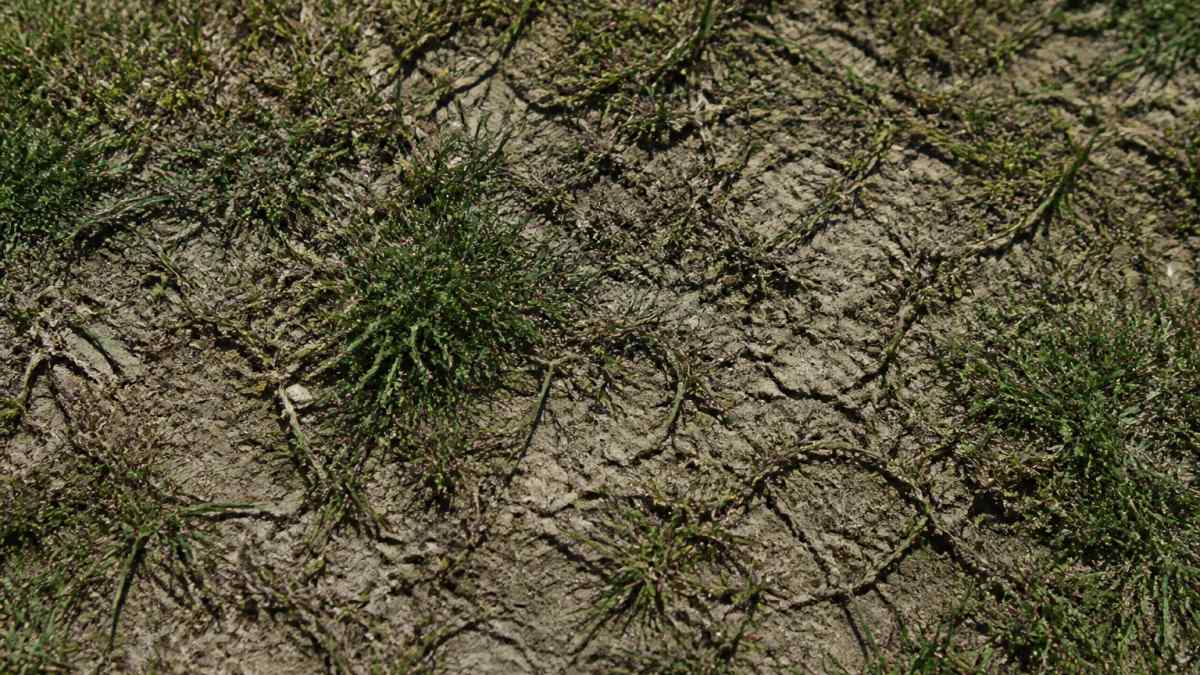
Heavy foot traffic is a major culprit, lawns near playsets, dog runs, or walkways compact faster. Clay soil, common in the region, compacts especially easily, so you'll see problems sooner than neighbors with sandy yards.
One simple test: try pushing a screwdriver into your lawn. If it stops after a few inches, your soil is compacted. If it slides in easily, your soil structure is still good.
Drought stress is another sign. Compacted soil can't hold water, so grass suffers during dry spells. If your lawn dries out faster than it should, core aeration helps it retain moisture.
Best Time to Aerate a Lawn in Ohio
The best time to aerate a lawn in Ohio is early fall, typically September through early October. Cool-season grass grows most vigorously then, so it recovers quickly and fills in the holes left by the aerator.
Spring aeration works, but fall is superior. Spring grass is stressed from winter and focused on breaking dormancy; fall aeration gives your lawn the whole growing season to recover before winter.
Never aerate during summer heat. Your grass is already stressed from heat and drought. Aeration opens wounds that won't heal fast enough in extreme heat. Wait until temperatures drop.
Avoid aerating when soil is bone-dry or waterlogged: dry soil resists the tines, and wet soil compacts further under the machine's weight.
Cool-season grass thrives in fall and spring, slows in summer, and goes dormant in winter. Timing aeration to peak growth means faster recovery and better results.
Core Aeration vs. Liquid Aeration: Which Method Works Better
Most homeowners run into three options: core (plug) aeration, spike aeration, and liquid aeration. They are not interchangeable, and the wrong pick wastes money.
Core aeration pulls actual plugs of soil out of the ground with hollow tines. Each pass removes thousands of pencil-sized cores and leaves them on the surface.
Spike aeration pushes solid tines into the soil without removing anything.
Liquid aeration sprays soil surfactants, wetting agents that reduce surface tension, onto the lawn. They help water penetrate hydrophobic or mildly compacted ground, but they create no physical pore space.
| Method | How It Works | Relative Cost | Effort | Best For | Main Limitation |
|---|---|---|---|---|---|
| Core aeration | Removes soil plugs with hollow tines | Highest of the three (rental or pro service) | High, heavy equipment, cleanup | Heavy compaction, clay soil, pre-overseeding | Visible plugs for 1-2 weeks; needs moist soil |
| Spike aeration | Pushes solid tines into soil | Lowest | Low | Very light compaction, quick touch-ups | Can worsen compaction in clay |
| Liquid aeration | Surfactant spray | Low to moderate per application | Very low | Mild compaction, hydrophobic soil, between core treatments | No physical pore space created; results build slowly |
Core aeration is the only one of the three that removes soil and leaves lasting channels.
For heavy clay or visible compaction, core aeration is the method that actually moves the needle. Liquid aeration can be a useful spring or summer maintenance pass between fall core treatments.
Cooperative Extension guidance on soil compaction and aeration methods
Aeration and Overseeding: A Powerful Combination
Aeration and overseeding work together: aeration opens the soil and creates seed-to-soil contact, while overseeding introduces new grass varieties that fill bare spots and thicken your lawn.
Timing is critical. Overseed immediately after aeration, ideally the same day. The plugs create thousands of pockets where seed nestles in, and moisture from the aerated soil speeds germination.
Without aeration, overseeding into compacted soil fails: seeds sit on hard ground, dry out or wash away, and struggle to root even if a few germinate.
With aeration, germination rates jump, new grass fills thin spots, and thicker turf crowds out weeds naturally.
Most professionals recommend aeration and overseeding as a fall package. It costs more upfront but thickens turf, improves compaction, and drops weed pressure all at once.
What to Do After Lawn Aeration for Best Results
After aeration, your lawn needs specific care to recover properly. Leave the soil plugs on the surface. They break down within 1-2 weeks and return nutrients to your soil. Don't rake them up or bag them.
Water thoroughly after aeration, the soil needs moisture to break down plugs and support germination if you overseeded. Aim for about 1 inch over the first week, without creating standing water.
Avoid heavy foot traffic for at least a week, loosened soil recompacts easily. Keep kids and pets off aerated areas until grass recovers.
If you overseeded, don't mow for at least 3-4 weeks. Once grass reaches about 3.5 inches, mow to 3 inches to encourage growth without stressing seedlings.
Fertilize 2-3 weeks after aeration to support recovery and new growth. Skip it if you overseeded with a starter fertilizer blend.
Is Core Aeration Worth the Investment for Your Lawn?
The honest answer: core aeration is worth it for some lawns, unnecessary for others, and actively harmful for a few. It comes down to soil condition, timing, and how you plan to use the result.
A decision checklist
Run your lawn through these questions. Three or more "yes" answers signals core aeration will pay off this season.
- Does a screwdriver or soil probe stop within 2-3 inches? That is compaction.
- Is your soil heavy clay? Clay compacts faster and benefits more from plug removal than sandy soil.
- Do you have bare or thin patches that will not fill in on their own? Aeration plus overseeding is the fix.
- Does water pool or run off after rain instead of soaking in? Poor infiltration points to compacted soil.
- Is there a thatch layer thicker than about 1/2 inch? Thatch blocks air and water; aeration helps break the cycle.
- Does the lawn see heavy foot traffic, kids, dogs, a path worn across the yard?
- Has it been more than two years since the last aeration?
If you answered "no" to nearly all of these, your lawn is likely in good shape. Skip the annual treatment and revisit next fall.
When not to aerate
This is the part most guides leave out, and it matters:
- Drought-stressed or dormant turf. Aerating baked, dormant grass opens wounds that will not heal and can accelerate decline. Wait for active growth.
- Waterlogged or saturated soil. The machine's weight will compact wet soil further and tear up the surface. Wait until the soil is moist but crumbly.
- Newly seeded or freshly sodded lawns. Seedlings and shallow sod roots are easily disrupted. Give new grass at least one full growing season first.
- Lawns with active disease or severe grub damage. Fix the underlying problem before adding mechanical stress.
- Frozen or near-frozen ground. Tines cannot penetrate, and you risk damaging equipment and turf.
What "worth it" actually looks like
Set realistic expectations. Core aeration is not a one-week transformation.
- Immediately: you will see plugs on the surface. They break down in one to two weeks and return organic matter to the soil.
- Within 2-4 weeks: water infiltration improves noticeably. Puddles after rain shrink or disappear.
- Within 4-8 weeks (with overseeding): new seedlings establish in the aerated holes, and thin areas begin to fill.
- By the following season: turf density, root depth, and drought resilience are measurably better on compacted lawns.
If you aerate and see no change in infiltration or turf density after a full growing season, the compaction was probably not your limiting factor, look at pH, fertility, shade, or irrigation instead.
The cost side
Pricing varies by lawn size, soil, and whether you bundle overseeding. Three paths:
- DIY rental: a walk-behind core aerator from a local equipment rental yard typically runs in the range of a half-day rental fee, plus your time, fuel, and hauling. Reasonable for a confident homeowner with a modest, accessible lawn.
- Equipment purchase: a homeowner-grade tow-behind or walk-behind aerator is a multi-hundred-dollar investment that only makes sense if you plan to aerate multiple properties or every year for many seasons.
- Professional service: a lawn care provider handles equipment, soil-moisture timing, and cleanup, and can bundle overseeding in the same visit. For most homeowners with a typical suburban lot, this is the path that produces the best result per dollar because timing and soil moisture are the two variables that most often ruin a DIY job.
Weigh cost against what you're fixing. If your lawn is thin, compacted, and you plan to overseed, the combined visit is almost always the higher-value spend. If it's already thick and healthy, aeration is preventive maintenance you can schedule every other year.
The bottom line
Core aeration is worth it with compaction, clay soil, thin turf, or a planned renovation, and when you aerate at the right time in the right soil conditions. It's not worth it on a healthy lawn you're aerating out of habit, and it's a mistake on drought-stressed, waterlogged, or newly seeded ground.
If you want a straight answer for your specific yard, reach out to Ward's Lawn Care & Landscape Co. for a free estimate. We will probe your soil, check thatch depth, and tell you honestly whether core aeration will move the needle this season.
Frequently Asked Questions
Is core aeration worth it for Ohio lawns?
Core aeration is worth the investment if your lawn shows signs of soil compaction, poor drainage, or thin turf. In Ohio's climate with cool-season grass, core aeration improves root development, water infiltration, and nutrient uptake. Results are most noticeable when combined with overseeding and proper post-aeration care. For lawns with heavy clay soil or high foot traffic, the benefits typically justify the cost within one growing season.
When should you aerate a lawn in Ohio?
The best time to aerate in Ohio is early fall (late August through September) or early spring (April through May). Fall aeration is generally preferred because it allows cool-season grass to recover and establish strong root systems before winter. Spring aeration works well for lawns that missed fall treatment. Avoid aeration during summer heat stress or when soil is too wet or too dry.
Should you aerate and overseed at the same time?
Yes, aeration and overseeding work best together. Core aeration creates soil plugs and improves seed-to-soil contact, which dramatically increases grass seed germination rates. Overseed within 24-48 hours after aeration while the soil is still open and receptive. This combination is especially effective for lawn renovation, addressing thin turf, and establishing new growth in compacted areas.
What should you do after lawn aeration?
After core aeration, water your lawn deeply to help soil settle and promote root development. If overseeding, apply seed immediately and keep the soil moist for 2-3 weeks. Leave soil plugs on the lawn to break down naturally and return nutrients. Avoid heavy foot traffic for 48 hours. Wait at least 2-3 weeks before applying fertilizer or weed control to allow grass recovery and new growth establishment.
Is core aeration worth it for your lawn? If your soil is compacted, your grass is thin, or water doesn't soak in properly, yes. Core aeration combined with overseeding delivers measurable results that last for years. Contact Ward's Lawn Care & Landscape Co. for a free evaluation of your lawn's needs. We've been serving the Greater Cleveland area since 1986, and our highly trained technicians can assess whether aeration is the right move for your yard. Let's get your lawn healthy again.