 ultimate-guide
Signs of Unhealthy Lawn Grass: A Diagnostic Guide
Table of Contents
- What Unhealthy Lawn Grass Actually Looks Like
- Discolored Grass Blades and Blade Discoloration
- Common Lawn Diseases Identification
- Signs of Lawn Pest Infestation
- Soil Compaction, Drainage, and Nutrient Issues
- Lawn Soil Testing Services and pH Balance
- How to Assess Your Lawn and Take Action
- Frequently Asked Questions
Last Updated: September 22, 2026
What Unhealthy Lawn Grass Actually Looks Like
Your lawn tells a story. A healthy turfgrass system shows consistent color, dense blade coverage, and resilience after foot traffic. When something goes wrong, the grass itself becomes your first diagnostic tool. Recognizing the early signs of unhealthy lawn grass means you can intervene before minor stress becomes permanent damage.
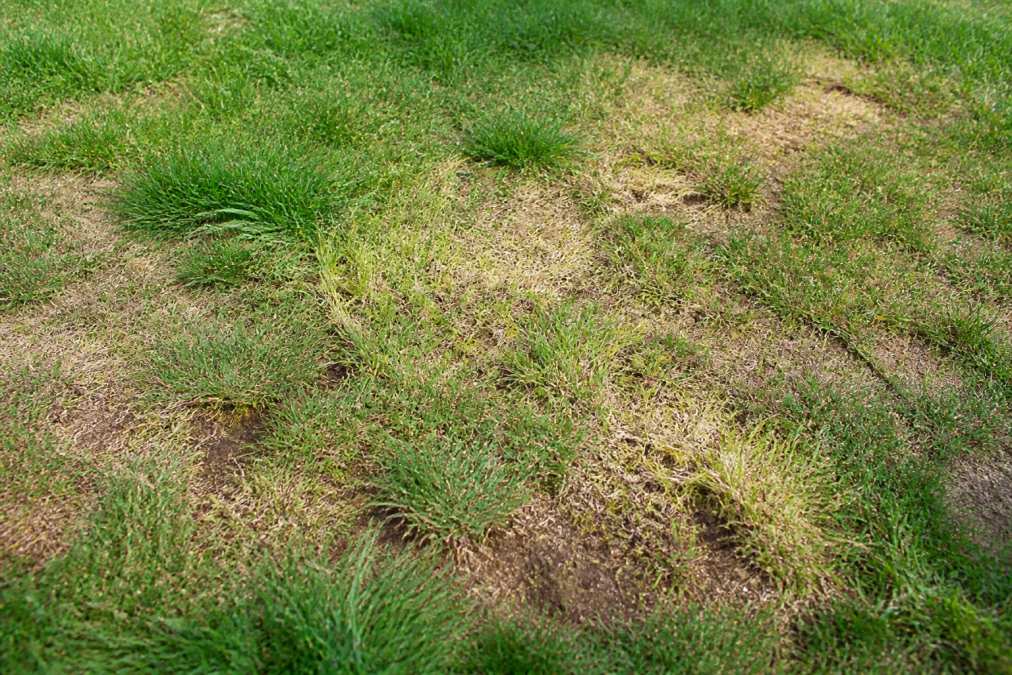
The problem isn't always what homeowners assume. A patch of discolored grass might signal soil compaction, nutrient deficiency, pest damage, or fungal disease. Each requires a different response. At Ward's Lawn Care & Landscape Co., we've spent decades helping property owners decode what their lawns are showing them. The difference between a quick fix and a season-long struggle often comes down to accurate diagnosis in week one.
Most people wait too long. They see something off and hope it improves on its own. By the time they call for help, the damage has spread. The real window for intervention is right now, when you first notice the problem. This guide walks you through what to look for, what it means, and how to move forward.
Discolored Grass Blades and Blade Discoloration
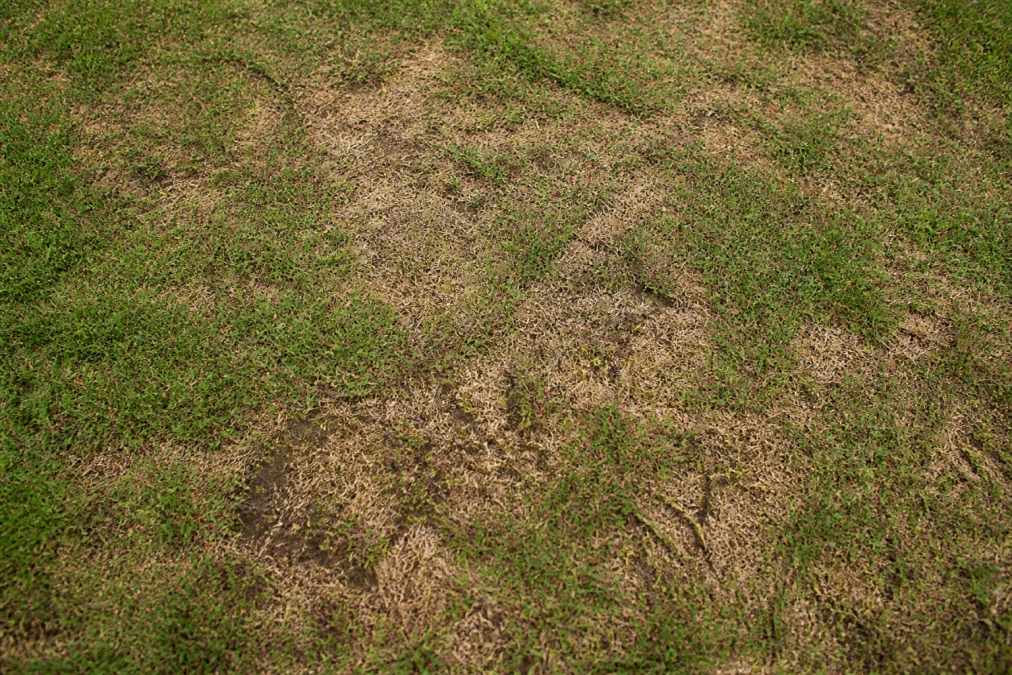
Discolored grass patches are the most obvious warning sign, but color alone doesn't tell you the cause. Yellowing, browning, and bleaching all mean different things. The location of the discoloration matters too, whether it's scattered across the lawn or concentrated in specific zones.
Yellowing typically points to nitrogen deficiency or waterlogged soil. If the discoloration appears in a ring or circular pattern, fungal disease is more likely. Brown patches that appear suddenly suggest heat stress, disease, or pest activity. Bleached or whitish grass blades often indicate fungal infection or excessive salt exposure.
The pattern tells you something important. Uniform yellowing across the entire lawn suggests a nutrient issue or poor drainage affecting the whole property. Patches concentrated in shaded areas might indicate disease thriving in moisture and low light. Discoloration along driveways or walkways can signal salt damage or soil compaction from repeated traffic.
Timing also matters. Spring yellowing often resolves as temperatures warm and the grass enters active growth. Summer discoloration that doesn't improve with watering usually means something structural, disease, pests, or soil issues, is at work. Fall discoloration is sometimes normal dormancy, but unexpected browning in mild fall weather warrants investigation.
Common Lawn Diseases Identification
Lawn diseases thrive in specific conditions: moisture, temperature, and light. Identifying which disease you're facing is the first step toward treatment. Most fungal infections in turfgrass follow predictable patterns that you can recognize.
Brown Patch and Rust Disease
Brown patch is one of the most common fungal infections in residential lawns. It appears as circular or irregular patches of brown, dead grass surrounded by a darker ring. The center often recovers slightly, giving the patch a "smoke ring" appearance. Brown patch thrives in warm, humid conditions and spreads rapidly if moisture persists on the blade surface (Understanding Two Common Turfgrass Diseases).
Rust disease shows up differently. Instead of dead patches, you see an orange or reddish powder on grass blades, especially visible on your shoes or pants after walking through the lawn. Rust weakens the grass blade but doesn't kill it outright. It's more common in fall and early spring when temperatures cool but moisture remains high.
Both diseases are fungal and both respond to improved air circulation and reduced moisture. The key difference: brown patch kills the grass tissue, while rust weakens it. Brown patch demands faster intervention because the dead grass won't recover. Rust can be managed by improving drainage and allowing the lawn to dry between waterings.
Fungal Infections in Turfgrass
Beyond brown patch and rust, other fungal infections attack turfgrass under specific conditions. Dollar spot appears as small, circular patches about the size of a silver dollar, usually in stressed or thin turf. Leaf spot diseases create dark lesions on individual blades and spread in wet conditions. Powdery mildew coats grass blades with a white powder, typically in shaded areas with poor air movement.
All fungal infections share common triggers: excess moisture, poor drainage, low air circulation, and stressed grass. A lawn weakened by compaction, nutrient deficiency, or improper mowing height becomes vulnerable. Fungal diseases in turfgrass rarely strike healthy, vigorous grass. This is why prevention through proper maintenance matters more than treatment after infection.
The environment determines which fungal disease appears. Cool-season grasses in humid climates see different infections than warm-season varieties in arid regions. Understanding your regional grass type and its disease pressure helps you anticipate problems before they develop.
Signs of Lawn Pest Infestation
Pests attack grass from two angles: above ground and below. Surface feeders like chinch bugs and armyworms damage blades directly. Subsurface pests like grubs destroy the root system, weakening or killing the entire plant.
Pest damage often looks like drought stress at first. The affected grass wilts despite adequate moisture. The grass pulls away from the soil easily because the roots are compromised. Brown patches appear suddenly and expand rapidly. Unlike disease, which often shows a defined edge or ring, pest damage tends to be more random and scattered.
Chinch bugs congregate in hot, dry areas and suck the juices from grass blades, leaving stippled or bleached appearance. You can sometimes spot the insects themselves along the border between healthy and damaged grass. Armyworms chew grass blades, leaving ragged edges. Billbugs create small holes in grass stems and cause wilting.
Grub Damage and Root System Destruction
Grubs are the larval stage of beetles. They live in the soil and feed on grass roots, severing the plant's water and nutrient supply. A lawn infested with grubs shows patches of dead or dying grass that pull away from the soil like a loose carpet. You can roll back the affected turf and often see the white, C-shaped grubs in the soil.
Grub damage typically appears in late summer or early fall when larvae are largest and feeding most actively. The damage becomes visible as brown patches that expand through fall and persist into spring if grubs aren't controlled. Heavy grub infestations can destroy entire sections of lawn.
The presence of grubs also attracts wildlife. Moles, raccoons, and skunks dig through your lawn hunting for grubs, creating additional damage on top of the pest problem itself. This secondary damage from predators often exceeds the direct grub damage.
Detecting grubs early requires checking the soil.
Soil Compaction, Drainage, and Nutrient Issues
Soil compaction is invisible until you see its effects. Compacted soil prevents water penetration and restricts root growth. Grass growing in compacted soil shows stunted growth, poor recovery from foot traffic, and increased susceptibility to stress and disease.
Lawn Soil Testing Services and pH Balance
Soil testing removes guesswork from lawn care. A professional soil test measures nutrient levels, pH, organic matter content, and soil texture. Soil testing removes guesswork from lawn care. A professional soil test measures nutrient levels, pH, organic matter content, and soil texture. The results tell you exactly what your lawn needs rather than guessing based on appearance. The results tell you exactly what your lawn needs rather than guessing based on appearance.
How to Assess Your Lawn and Take Action
Start with observation. Walk your lawn in early morning or late afternoon when shadows make problems more visible. Look for patterns: Are problems concentrated in certain areas or scattered throughout? Are they in sun, shade, or both? Do they follow traffic patterns or drainage lines?
Based on what you find, take action:
- Compaction: Aeration in fall (cool-season grass) or spring (warm-season grass) relieves compaction and improves drainage
- Poor drainage: Grading changes or installation of drainage systems address structural issues
- Fungal disease: Improve air circulation, reduce moisture on blades, apply fungicide if necessary
- Pest damage: Targeted pest control based on which pest is present
- Nutrient deficiency: Soil test results guide fertilizer application
Frequently Asked Questions
What does unhealthy grass look like?
Unhealthy lawn grass typically shows yellowing or brown patches, thinning turf density, bare spots, or a spongy texture when walked on. You may also notice blade discoloration, wilting despite adequate water, or uneven growth patterns. Footprints that remain visible in the grass indicate compacted soil or stressed root systems. The specific appearance depends on whether the problem stems from fungal disease, pest damage, nutrient deficiency, or poor drainage.
How can I tell what's wrong with my grass?
Start by examining the pattern and location of damage. Circular brown patches suggest fungal disease, while random bare spots may indicate grub infestation. Check soil moisture and drainage by pressing the turf, spongy or waterlogged soil points to compaction or poor drainage. Look for visible insects or grubs in affected areas. Yellowing across the entire lawn suggests nutrient deficiency or pH imbalance. Lawn soil testing services can pinpoint nutrient and pH issues that visual inspection alone cannot reveal.
What are the most common lawn diseases in this region?
Brown patch and rust disease are prevalent fungal infections in lawns, particularly during humid summers or wet springs. These fungal infections thrive in cool, moist conditions and poor air circulation. Other common lawn diseases include dollar spot and leaf spot. Proper aeration, dethatching, and maintaining appropriate irrigation schedules reduce fungal infection risk. If you suspect a fungal disease, professional diagnosis through common lawn diseases identification ensures accurate treatment and prevents spread.
Can an unhealthy lawn be brought back to life?
Yes, most unhealthy lawns recover with proper diagnosis and treatment. Aeration relieves soil compaction and improves root system development. Overseeding fills bare patches and restores turf density. Adjusting irrigation schedules and addressing drainage issues prevent future stress. For fungal infections or grub damage, targeted treatments combined with improved lawn maintenance practices restore health. Soil testing identifies nutrient deficiencies so you can apply the right fertilization. Recovery typically takes one to two growing seasons depending on damage severity.