 ultimate-guide
Are Seasonal Aeration and Overseeding Worth It?
Last Updated: November 2, 2026
Quick Summary
Seasonal lawn aeration and overseeding are worth it when timing, soil and lawn condition line up. Core aeration opens compacted soil so air, water and nutrients reach the roots, and it gives new seed the contact it needs to germinate. Results build over weeks and a full growing season.
- Core aeration removes soil plugs roughly half an inch across, giving seed direct contact with soil.
- Late summer through early fall is the best window for cool-season lawns in Northeast Ohio.
- New seedlings typically appear within 7 to 14 days but need consistent moisture to establish.
- Control problem weeds before aerating, since aeration can bring buried weed seed to the surface.
- Avoid aerating when soil is bone dry, saturated or frozen to prevent ragged holes and tine damage.
Table of Contents
- What Lawn Aeration and Overseeding Actually Do
- Core Aeration and Overseeding: Why the Two Work Best Together
- The Main Benefits of Seasonal Lawn Aeration and Overseeding
- Aeration and Overseeding Timing by Grass Type and Season
- Lawn Aeration Benefits and Disadvantages to Weigh
- When Is It Too Late to Aerate and Overseed?
- Booking Your Fall Aeration and Overseeding Visit with Ward's
- Frequently Asked Questions
What Lawn Aeration and Overseeding Actually Do
Lawn aeration pulls small plugs of soil out of the ground, leaving open channels that let air, water and nutrients reach the root zone. Overseeding spreads new grass seed over the lawn so it can fill in thin or bare areas.
Ward's Lawn Care & Landscape Co. has served Greater Cleveland since 1986. A common question is whether these two steps are really worth the effort.
Core Aeration and Overseeding: Why the Two Work Best Together
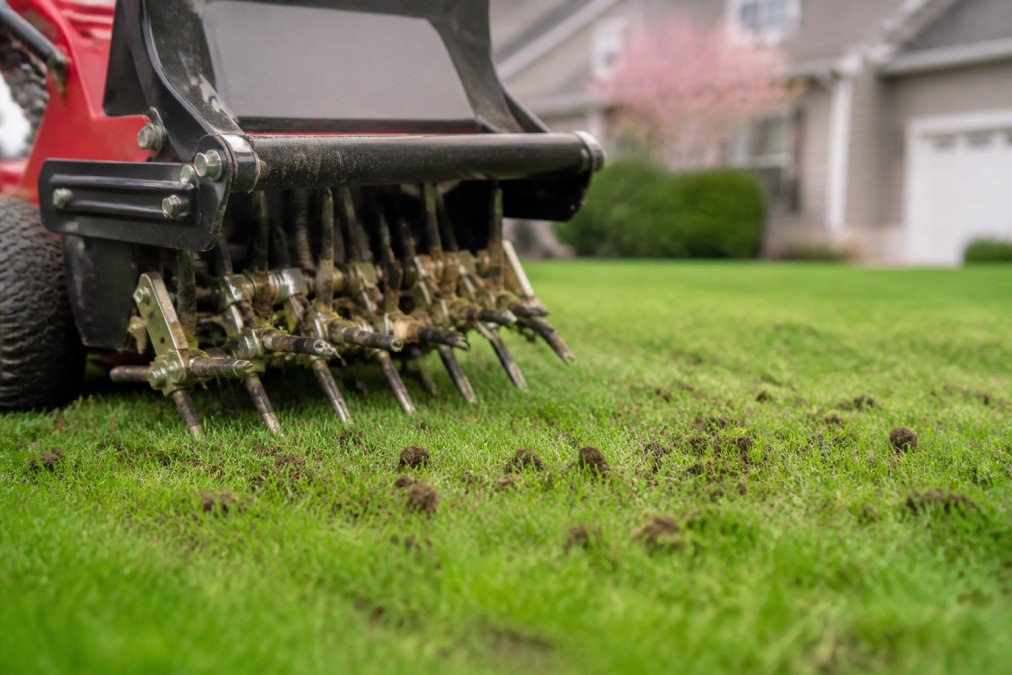
Core aeration removes cylinders of soil, usually a few inches long and roughly half an inch across, from the lawn. Those holes give seed direct contact with the soil, which is the single biggest factor in whether new grass germinates.
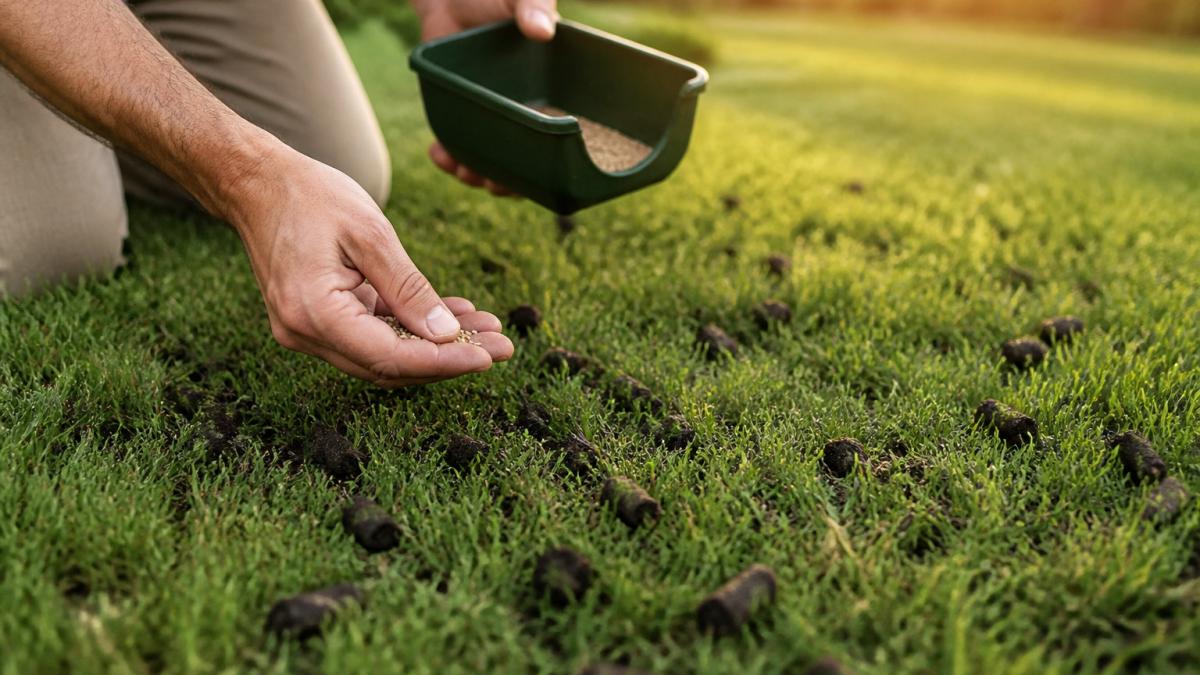
Aeration alone helps a lawn breathe, but it does not add grass. Overseeding alone adds grass, but it struggles to establish in dense soil.
Watch out: aerating a lawn that is bone dry or frozen can damage the machine's tines and leave ragged, poorly formed holes.
The Main Benefits of Seasonal Lawn Aeration and Overseeding
Seasonal aeration and overseeding improve a lawn through a chain of physical effects, and the gains arrive on a predictable schedule rather than overnight. Benefits of Professional Lawn Aeration covers the full scope of the service and what it includes. Understanding both the mechanism and the timeline is what separates a realistic plan from an disappointed homeowner.
Reduced Soil Compaction and Better Air, Water, and Nutrient Movement
Foot traffic, mowing, and clay soil press particles together until pore space collapses. Compacted ground sheds rainfall and irrigation instead of absorbing it, so water runs off or pools while roots sit in oxygen-poor soil. Core aeration removes soil cylinders and reopens that pore space, which restores infiltration and lets oxygen, water, and dissolved nutrients move back into the root zone. Heavy clay is the soil type most prone to compaction. A simple field test: push a screwdriver or soil probe into moist turf.
Stronger Roots and Thicker, More Resilient Turf
Roots grow where they can find air and moisture. Once the soil is opened and new seed establishes, the lawn builds a denser root system and a fuller canopy. A thicker stand crowds out weeds, handles summer heat with less irrigation, and recovers faster from wear. Overseeding replaces thin and dead patches so the lawn looks even across its whole area rather than thick in some spots and bare in others.
Reduced Weed Pressure
Weeds are opportunists that colonize bare soil and thin turf. Filling those gaps with desirable grass removes the establishment sites weeds depend on, and a denser canopy shades the soil surface so new weed seed has a harder time germinating. This is a suppression effect, not a cure: existing perennial weeds and established weed seed banks still need to be addressed, and aeration can temporarily disturb soil and bring buried weed seed to the surface.
Better Drought and Heat-Stress Tolerance
Deeper roots reach moisture that shallow roots cannot, and a denser canopy shades the soil surface, which lowers evaporation and soil temperature. The result is a lawn that stays greener longer during dry spells and recovers faster after heat. The effect builds over a full growing season as the new root system matures; it is not a switch that flips the week after service.
Measurable Outcomes and Realistic Timelines
This is where most guides stay vague, and where expectations are usually set wrong. A common pattern after a fall core aeration and overseeding visit looks like this:
- Days 7 to 14: New seed begins to germinate when soil temperatures are favorable and moisture is consistent. Germination is uneven across a lawn because shade, thatch depth, and irrigation coverage vary.
- Weeks 3 to 6: New seedlings are visible as a fine, lighter-green fuzz. They are fragile at this stage and do not tolerate foot traffic or mowing below the recommended height.
- Weeks 6 to 10: Seedlings tiller and thicken, and the lawn starts to fill thin areas. This is the first point where most homeowners see a visible difference.
- The following spring and summer: Root systems mature and the density gains hold through heat and drought stress. The full benefit of a single visit is usually judged after one complete growing season, not after a few weeks.
How to assess success without overpromising: compare photos from the same spots and angles before service and again the following season, check whether bare patches closed, and probe the soil again to see whether it has loosened.
Watch out: watering matters a great deal for overseeding. New seed needs consistent surface moisture through germination.
The article lays out the realistic timeline for what a fall aeration and overseeding visit delivers, week by week.
| Timeframe | What to expect | Note |
|---|---|---|
| Days 7 to 14 | New seed begins to germinate | Depends on soil temperature and consistent moisture |
| Weeks 3 to 6 | Fine, lighter-green seedlings appear | Fragile; avoid foot traffic and low mowing |
| Weeks 6 to 10 | Seedlings thicken and fill thin areas | First point where most homeowners see a difference |
| Following spring and summer | Root systems mature and density holds | Full benefit judged after one growing season |
Aeration and Overseeding Timing by Grass Type and Season
Timing matters more than most homeowners expect. Cool-season grasses, such as Kentucky bluegrass, perennial ryegrass and tall fescue, are the types commonly grown in Northeast Ohio. They grow best in cool temperatures and benefit most from late summer and early fall work.
- Late summer to early fall (roughly late August through September): The best window for cool-season lawns. Soil is still warm enough for quick germination, and cooler nights reduce stress on new seedlings.
- Spring (April through early May): Workable, but seedlings must establish before summer heat arrives. Weed pressure is also higher in spring, so new seed competes harder.
- Summer: Generally a poor time. Heat and drought stress young seedlings, and aeration can further stress a struggling lawn.
Warm-season grasses such as zoysia and Bermuda follow a different calendar, aerating and seeding in late spring or early summer when they are actively growing. Identifying your grass type before scheduling work is one of the simplest ways to avoid wasted effort.
Lawn Aeration Benefits and Disadvantages to Weigh
Aeration and overseeding are not right for every lawn, and the decision is easier when you separate the benefits from the real costs and limits.
Benefits:
- Improves water infiltration and reduces runoff
- Relieves compaction in high-traffic areas
- Creates seed-to-soil contact that overseeding needs to work
- Supports a denser, more resilient turf over a full growing season
- Reduces bare spots that weeds would otherwise colonize
Disadvantages and limits:
- Results take weeks to months to appear, not days
- Newly seeded areas need consistent watering, which raises water use
- Aeration leaves visible soil plugs for a short period
- Aeration can bring buried weed seed to the surface, so weed control should come first
- A lawn with serious underlying problems, such as poor drainage or a diseased root zone, may need more than aeration
Aeration Method and Equipment Decision Guide
Not every aeration method does the same job, and choosing the wrong one wastes money.
- Core (plug) aeration removes soil cylinders and is the standard for relieving compaction and preparing a seedbed. It is the right choice for most lawns, especially heavy clay and high-traffic areas. It leaves plugs on the surface that break down over a few weeks.
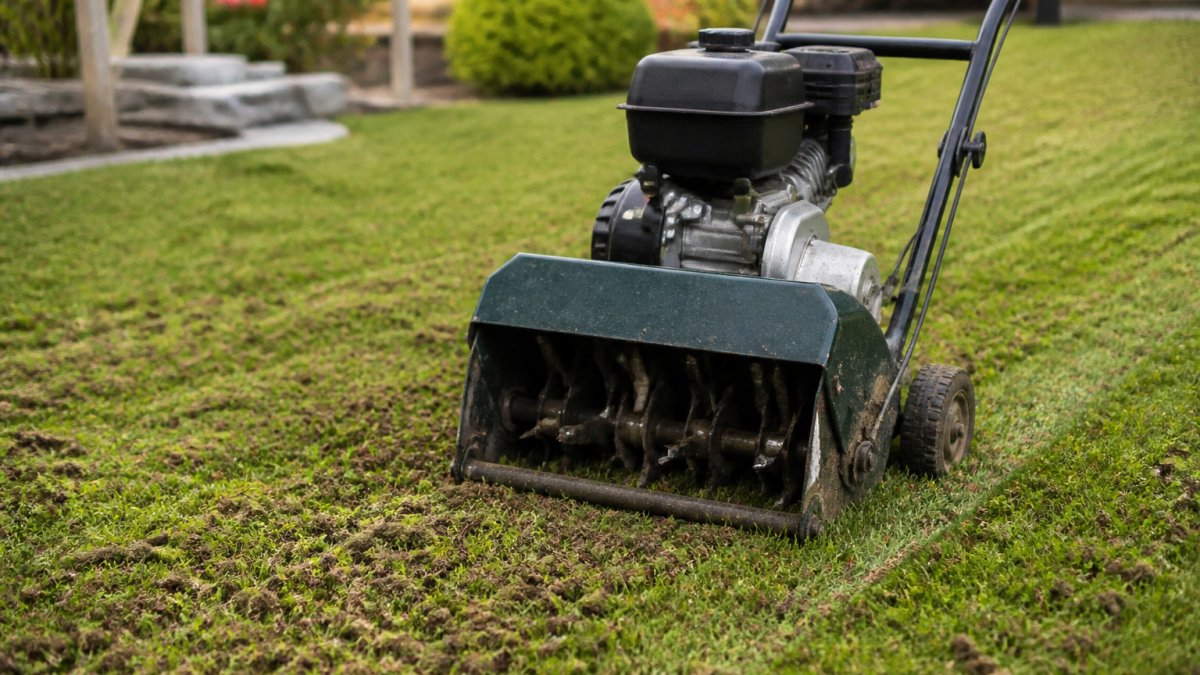
- Spike aeration pushes solid tines into the soil. It is faster and leaves no plugs, but it compresses soil around each hole rather than removing it, so it does little for serious compaction. It is best suited to light, sandy soils or a quick pre-seeding pass.
- Liquid aeration applies a soil surfactant that helps water penetrate. It can reduce surface tension and improve infiltration on thatchy or hydrophobic soils, but it does not remove soil or create seed-to-soil contact. It is a supplement, not a substitute for core aeration when compaction is the problem.
Match the method to the soil: core aeration for clay and compacted ground, spike or liquid approaches for light soils and maintenance, and core aeration before overseeding whenever germination is the goal.
Cost, DIY Versus Professional Service, and Value
Cost depends on lawn size, access, soil condition, and whether you rent equipment or hire a provider. Request a written quote for your property to see the scope and cost of the work.
DIY considerations:
- Renting a core aerator involves rental fees plus transport, fuel, and your time.
- Aeration is physical work, and a poorly maintained rental can produce shallow or uneven holes.
- You still need to source seed matched to your turf, apply it at the right rate, and manage watering.
- The equipment learning curve and the risk of doing the job at the wrong soil moisture are real costs.
Professional service considerations:
-
Crews bring commercial equipment and experience judging soil moisture.
-
Bundling aeration with overseeding and fertilization can improve value. Ward's offers discounts when you hire for multiple services.
For small, level lawns on light soil, rental can make sense. For larger properties, clay soil, or sloped or obstructed yards, professional service can be the better choice.
Watch out: aerating when the soil is bone dry, saturated, or frozen damages tines and produces ragged holes that help neither compaction nor germination.
When Is It Too Late to Aerate and Overseed?
For cool-season lawns, the cutoff is usually when daytime temperatures stay consistently high and nights stop cooling, typically by late October in northern Ohio.
Other situations call for waiting. Avoid aerating during drought, when the soil is frozen or saturated, or when the lawn is already heavily stressed by disease. If your lawn has large dead areas caused by grubs or fungal problems, treat the underlying cause first.
Booking Your Fall Aeration and Overseeding Visit with Ward's
If you want to get this done properly, Ward's Lawn Care & Landscape Co. serves Greater Cleveland. We offer free estimates, and discounts are available when you bundle multiple services. Reach out through our contact page to request a quote.
Frequently Asked Questions
Is aeration and overseeding worth it every year?
Most lawns benefit from annual aeration and overseeding if they show heavy foot traffic, soil compaction, or thin patches. Lawns that are already dense and healthy may only need the service every second year. Check soil compaction by pushing a screwdriver into the turf: if it resists easily past a few inches, the soil likely needs aeration. Contact Ward's Lawn Care & Landscape Co. to request a quote for your property.
What month should I aerate and overseed my lawn?
For cool-season grasses common across Northeast Ohio, fall is the best window, typically late August through late September, when soil is still warm and the weather is cooler and wetter. Spring work is possible but carries more weed competition and summer stress risk. Warm-season grasses are best treated in late spring or early summer during active growth. Timing depends on local conditions, so confirm the schedule before booking.
When is it too late to aerate and overseed?
Once nighttime temperatures stay consistently cold and the ground begins to freeze, seed will not germinate and establish before winter. In Greater Cleveland that usually means the work should be finished by early to mid-October for cool-season grasses. Seed sown too late may sprout and die before roots develop. Waiting until spring is the safer choice if the fall window has closed.
Can you overseed without aerating?
Yes, you can overseed without aerating, but seed has a much harder time making contact with the soil on compacted or thatchy lawns. Raking or dethatching the area first and keeping the surface moist helps. Aeration creates openings that improve seed-to-soil contact, which is why the two services are typically paired. Ward's Lawn Care & Landscape Co. can advise which approach suits your lawn.