 blog
Is Smart Irrigation Worth the Investment?
Table of Contents
- What Smart Irrigation Is and How It Works
- Smart Irrigation Water Savings: Real Numbers
- Smart Irrigation System Cost: Upfront and Ongoing
- Smart Irrigation Return on Investment: When Does It Pay Back?
- Smart Irrigation System Disadvantages: What to Know Before Buying
- Smart Controller vs. Full Smart System: Which Fits Your Needs?
- Is Smart Irrigation Worth It for Your Property?
- Frequently Asked Questions
Last Updated: October 9, 2026
What Smart Irrigation Is and How It Works
Smart irrigation refers to automated watering systems that adjust schedules based on real-time environmental data rather than fixed timers. They use weather data, soil-moisture sensors, or both to determine when and how much to water, responding to actual conditions instead of a preset schedule.
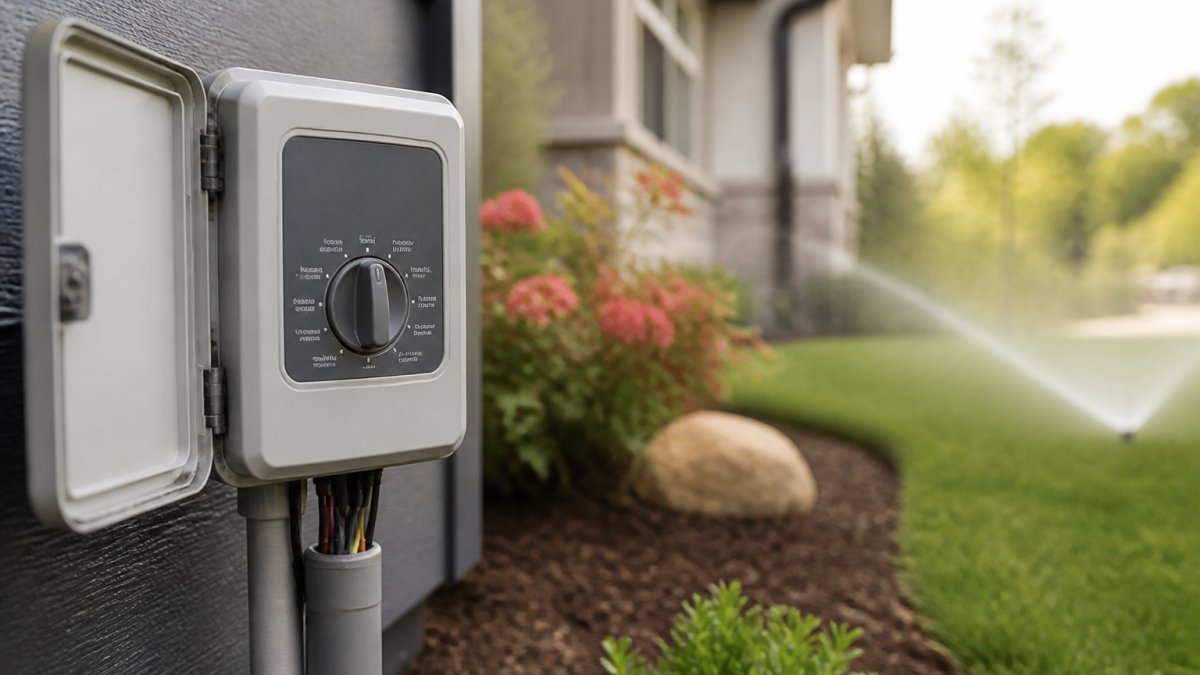
Smart irrigation comes in two main forms: smart controllers that upgrade your existing sprinkler system, and complete smart irrigation systems installed from scratch. A smart controller replaces your current timer and works with your existing pipes and sprinkler heads. A full smart system includes new pipes, zones, sprinkler heads, and controller all designed to work together.
The technology is straightforward. Weather-based controllers pull local forecasts and recent rainfall data. Soil-moisture sensors measure actual soil water and trigger watering only when levels drop below a threshold. Some systems combine both for maximum precision.
Homeowners and commercial property managers can cut water waste significantly with these systems. The appeal is simple: stop watering when it rains, stop overwatering dry spots, and let the system handle timing.
Smart Irrigation Water Savings: Real Numbers
Water savings depend on your climate, soil type, and how much you were overwatering before. Arid regions with frequent dry spells see higher savings; humid climates with regular rainfall see more modest but still meaningful gains.
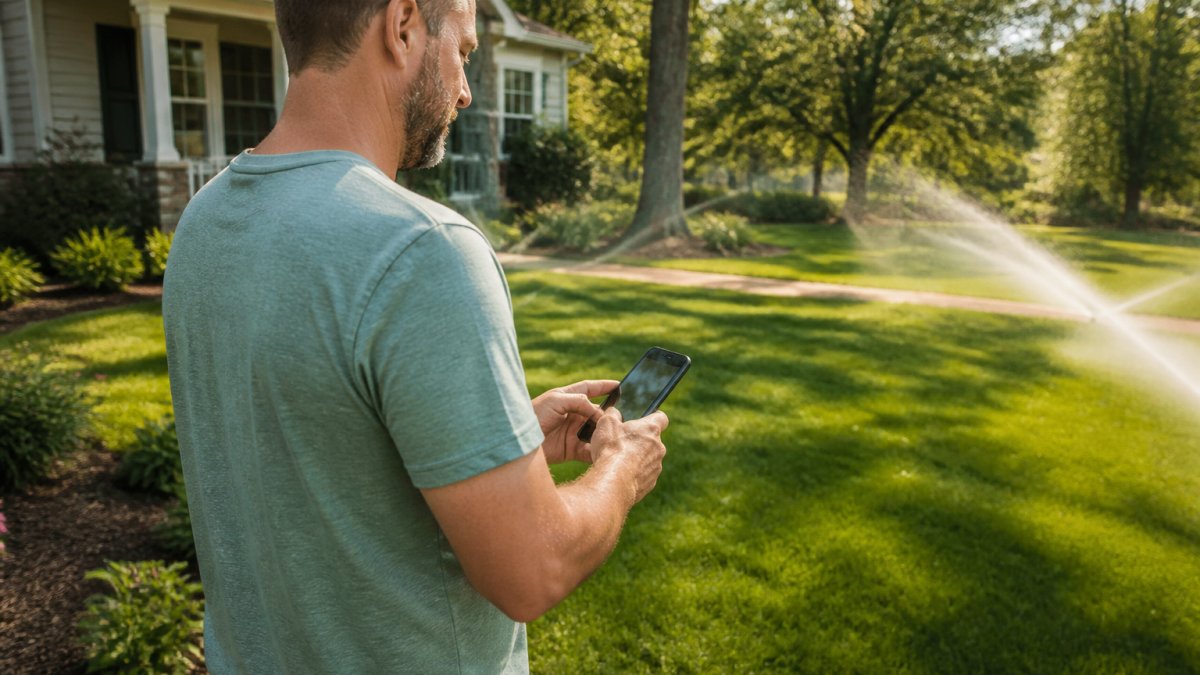
Most property owners report reducing water use by 15-30% after switching to smart controllers, with higher savings if they were overwatering significantly beforehand. If your old controller watered on a fixed schedule regardless of weather, you were almost certainly overwatering during rainy periods or cool spells.
Water conservation matters beyond your bill. Reducing runoff protects local water supplies and eases strain on municipal systems, especially during droughts. Overwatering also leaches soil nutrients and can cause root rot, so efficiency gains often mean healthier landscapes too.
Savings claims vary widely: a system that saves one homeowner 20% might save another only 8%, depending on starting conditions and programming quality. Scenario-based estimates matter more than a single percentage figure.
Smart Irrigation System Cost: Upfront and Ongoing
The cost of "smart irrigation" spans a wide range depending on whether you're swapping a controller or building a system. Here's a realistic breakdown of each path, plus the ongoing expenses most write-ups skip.
Upfront costs by component
| Component | Typical installed range | Notes |
|---|---|---|
| Weather-based smart controller (replaces existing timer) | $150-$400 | Works with existing wiring and zones; DIY-friendly on most systems |
| Soil-moisture sensor (add-on) | $80-$250 per zone | Wired sensors cost less; wireless cost more but avoid trenching |
| Flow meter / leak detection | $150-$500 | Optional; catches broken heads and line breaks |
| Rain sensor (basic shutoff) | $30-$100 | Often required by state or local code in some jurisdictions |
| Full system install (new zones, pipe, heads, controller) | $2,500-$8,000+ for a typical residential lot | Varies heavily with lot size, trenching, and landscape complexity |
| Professional installation labor | $75-$150 per hour | Controller swap is often 1-2 hours; full system is multi-day |
A smart controller upgrade is usually the lowest-cost entry point. A full system is closer to a landscape construction job than a device purchase.
Ongoing costs most articles ignore
- Subscriptions: Many name-brand controllers offer free basic scheduling but charge $2-$10 per month for advanced features like zone-level flow alerts, historical reporting, or multi-property management. Over five years, a $5/month plan adds $300, often more than the controller itself.
- Sensor maintenance: Soil-moisture sensors need cleaning and occasional recalibration. Budget $0-$50 per year if you DIY, more if you pay for service calls.
- Repairs: Solenoids, valves, and wiring fail on the same schedule as conventional systems. Smart controllers don't reduce mechanical wear; if anything, more frequent short cycles can stress valves if the system is misconfigured.
- Replacement cycle: Controllers typically last 8-12 years; sensors 3-7 years. A five-year total-cost-of-ownership view should include at least one sensor replacement.
Five-year total cost of ownership: smart vs. conventional
A conventional timer costs roughly $50-$150 upfront with no subscriptions, but waters on a fixed schedule regardless of weather. A smart controller costs more upfront and may carry a subscription, but cuts wasted water. The honest comparison: smart costs more upfront and less per month in water. Whether that nets out depends on your water rate and how much your current system overwaters.
Smart Irrigation Return on Investment: When Does It Pay Back?
Payback isn't a single number, it swings with three variables: your water rate, how much your current system overwaters, and your installed cost. Here's how to run the math for your own property.
The three variables that drive payback
1. Water rate. Rates vary enormously by utility and tier. In high-cost metros, combined water and sewer rates can exceed $10 per 1,000 gallons; in low-cost areas, under $3. Sewer charges often track water use, so a gallon saved is frequently billed twice.
2. Baseline overwatering. A fixed-schedule controller that runs the same program in July and October wastes far more than one that's manually adjusted. The bigger your baseline waste, the faster smart irrigation pays back.
3. Installed cost. A $250 controller swap and a $6,000 full system have very different payback horizons even if they save the same percentage.
Scenario-based payback estimates
These are illustrative, plug in your own bill and rate. Assume an $80/month irrigation bill over a 6-month season ($480/year) and a smart controller cutting water use by 20%.
| Scenario | Installed cost | Annual savings | Simple payback |
|---|---|---|---|
| Low water rate, small lawn, controller swap | $250 | ~$60 | ~4 years |
| Mid water rate, average lawn, controller + rain sensor | $450 | ~$120 | ~3.5 years |
| High water rate, large lawn, controller + soil sensors | $900 | ~$240 | ~3.5 years |
| Full system replacement, high water rate | $6,000 | ~$300 | ~20 years |
Two things jump out. Controller upgrades pay back far faster than full system replacements, since savings are similar but cost is a fraction. And even a strong 20% savings rate produces modest dollars unless your water rate is high or your bill is large, a $30/month irrigation bill simply doesn't have much to save.
Why savings claims vary so much
Manufacturer marketing often cites 20-50% savings. Independent evaluations land lower with wider error bars, because real-world savings depend on:
- Weather. A wet year produces smaller savings than a dry one, since a fixed-schedule system wastes less when it happens to rain on schedule.
- Programming quality. A smart controller left on default settings saves less than one tuned to local soil and plant types.
- Landscape type. Established native plantings need little irrigation; a thirsty cool-season lawn needs a lot. The more you water, the more there is to save.
- Local restrictions. Drought rules that cap watering days can shrink the gap between smart and conventional systems, because both are constrained.
Non-financial returns that still count
Payback math ignores what doesn't show up on a water bill: fewer dead zones, less runoff and nutrient leaching, and not having to adjust the timer before a storm. Where financial payback is long, these are often the deciding factors, but run the numbers first, then decide what the convenience and landscape benefits are worth.
Smart Irrigation System Disadvantages: What to Know Before Buying
Understanding smart irrigation's limitations helps you decide if it's right for your property.
Upfront cost is real. Even a simple smart controller requires investment.
System reliability depends on connectivity. Weather-based controllers need internet access or cellular service. If your Wi-Fi is unreliable or your area has poor cellular coverage, the system may not function as designed.
Installation and compatibility issues arise frequently. Not all smart controllers work with every existing system, and older wiring may need upgrades first. Professional installation is often necessary, adding cost and complexity.
Water savings aren't guaranteed. Savings depend heavily on how well the system is programmed and maintained. A poorly configured system might save nothing.
Privacy and data concerns exist. Cloud-based smart systems collect usage data and location information. Some users object to this data collection, even if the risk is minimal.
Seasonal adjustments are still needed. Smart systems reduce manual work but don't eliminate it, you'll still adjust settings seasonally, reprogram for landscape changes, and troubleshoot occasional issues.
Smart Controller vs. Full Smart System: Which Fits Your Needs?
The choice between a smart controller upgrade and a full smart system depends on your current setup and budget.
Smart controllers are best if you already have a functioning sprinkler system. You keep your existing pipes, heads, and zones, and simply replace the timer. It's faster, cheaper, less disruptive, and ideal for trying smart irrigation without major investment.
The trade-off is that a smart controller works only with what you already have. If your current system has poor zone design, uneven coverage, or outdated sprinkler heads, a smart controller won't fix those problems.
Full smart systems make sense for first-time installs, aging system replacements, or landscape redesigns. You get optimized zone layout, modern heads, and integrated smart controls designed as a unified whole.
Full systems cost more upfront but often perform better because every component is chosen to work together. They're also future-proof, you're not limited by older equipment or poor zone design.
For most residential properties, a smart controller upgrade is the practical starting point, cheaper, faster, and a way to experience smart irrigation before committing to a full replacement.
Is Smart Irrigation Worth It for Your Property?
Smart irrigation worth the investment depends on three conditions aligning: moderate to high water rates, a current system that wastes water significantly, and an upfront cost you can afford without straining your budget.
If water rates are low, your system is already efficient, or the upfront investment is uncomfortable, the financial case is weaker, smart irrigation still offers convenience and environmental benefits, but payback is slow.
Consider your situation honestly: Are you overwatering on a fixed schedule? Does water conservation matter environmentally or financially where you live? Can you afford installation without it becoming a burden? Two or more yeses means smart irrigation is likely a good fit.
If you're uncertain whether your current system is wasting water or whether smart irrigation is compatible with your setup, the best first step is a professional assessment. Ward's Lawn Care & Landscape Co. provides free estimates and can evaluate your property's irrigation efficiency and recommend whether an upgrade makes sense.
Frequently Asked Questions
How much can a smart irrigation system save on water bills?
Water savings depend on your current watering habits and local climate. Studies show smart irrigation systems reduce water use by 15-50%, with most homeowners seeing 20-30% reductions. Your actual savings depend on your baseline water rates, lawn size, and how much you were overwatering before. A professional can assess your property to estimate potential savings.
How long does it take for a smart irrigation system to pay for itself?
Payback periods typically range from 2-5 years for residential properties, depending on water costs, system size, and installation expenses. In areas with higher water rates or drought conditions, payback happens faster. Homeowners should calculate their own ROI based on current water bills and local pricing rather than assuming generic timelines.
Can a smart irrigation controller work with an existing sprinkler system?
Yes, many smart controllers retrofit existing systems, but compatibility depends on your current setup. You'll need a compatible controller, proper wiring, and zone configuration. Some older systems may require upgrades. A professional assessment determines whether your existing irrigation equipment can support a smart controller upgrade without additional work.
What are the main disadvantages of smart irrigation systems?
Key drawbacks include upfront costs, potential connectivity issues in areas with poor WiFi, reliance on accurate weather data, and the need for initial setup and maintenance. Smart systems also depend on sensor accuracy and may require professional installation. Additionally, savings aren't guaranteed, results vary based on your climate, soil conditions, and how well the system is configured.
Smart irrigation can reduce water waste, lower your water bill, and improve landscape health, but only if the system fits your situation and is properly installed and maintained. Take time to understand the real costs, realistic payback timelines, and limitations before deciding. When conditions are right, the investment pays off in both financial savings and peace of mind. When they're not, you'll be glad you evaluated carefully before spending.