 how-to
How to Budget for Backyard Landscaping Projects
Table of Contents
- Assess Your Property and Define Your Goals
- Understanding Backyard Landscaping Cost Factors
- Create a Landscaping Project Cost Breakdown
- Using a Landscaping Cost Estimator to Plan Spending
- Backyard Landscaping Ideas on a Budget
- Prioritize, Phase, and Account for Hidden Costs
- DIY Versus Professional Installation: Cost and Effort
- Plan for Long-Term Maintenance and Lifecycle Costs
- Frequently Asked Questions
Last Updated: October 19, 2026
Assess Your Property and Define Your Goals
Before you can create a realistic budget for backyard landscaping projects, you need to understand what you're working with. Start by walking your entire property and documenting its current state.
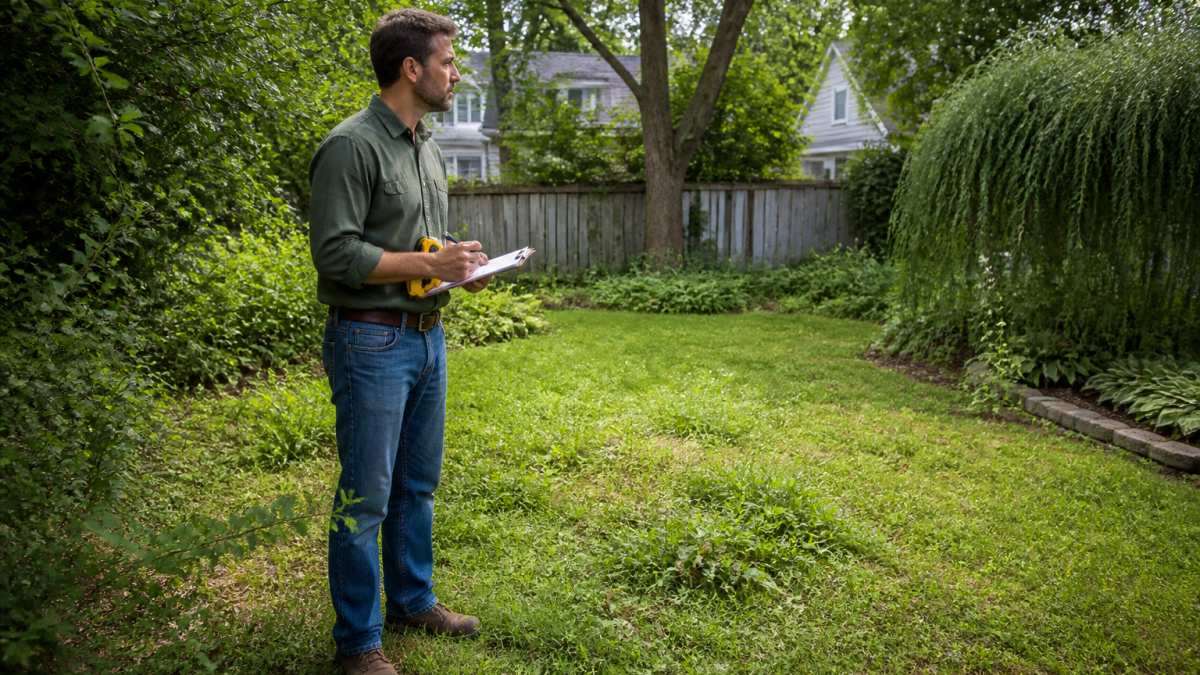
Next, clarify your goals. Are you solving a specific problem, poor drainage, erosion, lack of privacy? Or are you creating an outdoor living space? Do you want low-maintenance design or are you willing to invest in high-touch landscaping? Your answers directly influence which elements you'll prioritize and how much you'll spend.
Write down your top three priorities. This forces you to be intentional rather than reactive. Many property owners discover their actual priority shifts once they see costs, and that's fine. You'll adjust as you move through the budget process.
Understanding Backyard Landscaping Cost Factors
When you start researching how to budget for backyard landscaping projects, you'll encounter wide price ranges. The variation exists because landscaping costs depend on several interconnected factors. Material prices fluctuate seasonally. Labor rates differ by region and contractor experience. Site conditions, soil quality, grading, drainage, existing vegetation, can add hidden costs.
The biggest cost driver is whether you hire professionals or tackle work yourself. Professional installation ensures proper drainage, code compliance, and longevity, but it costs significantly more than DIY approaches. Material quality matters too. Premium pavers cost more than standard concrete, but they last longer and look better. Native plants cost less than exotic species and require less maintenance.
Seasonal timing affects pricing. Spring and early summer are peak landscaping seasons, so contractors charge premium rates. Fall and early winter typically offer better pricing because demand drops. If your project can wait, scheduling in the off-season saves money.
Create a Landscaping Project Cost Breakdown
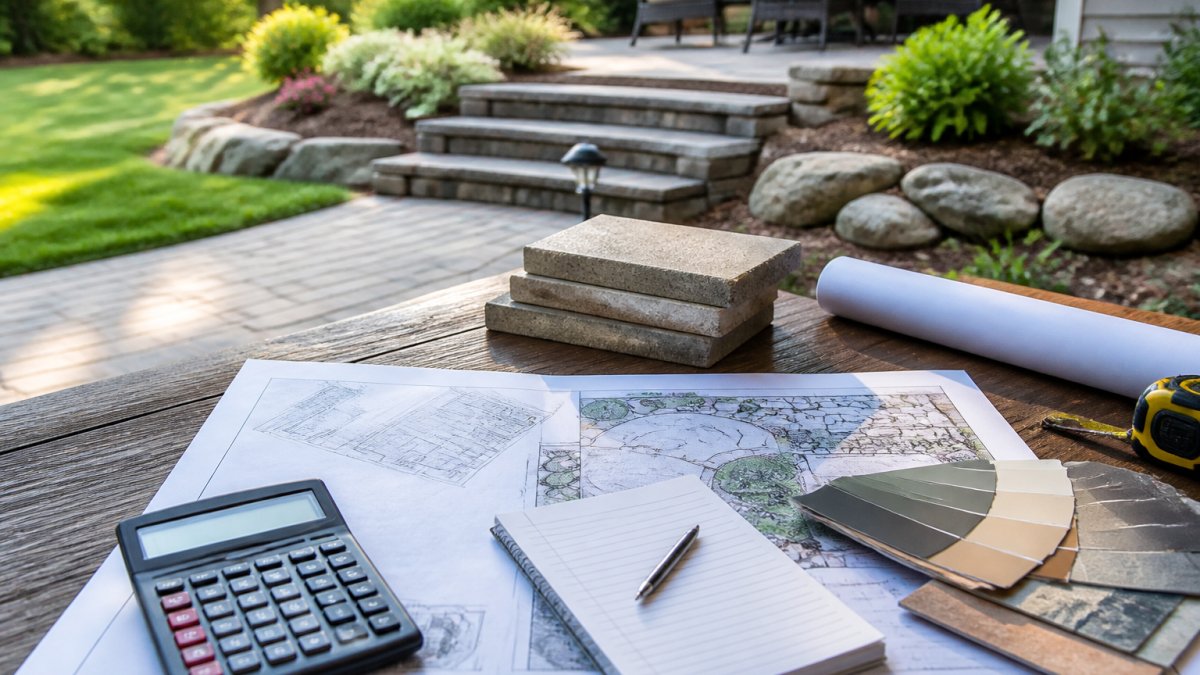
A structured cost breakdown prevents surprises. Start by listing every element your project requires, then research typical costs for each category. This isn't about getting exact numbers, it's about building a framework you can adjust as you gather quotes.
Here's how to organize your breakdown:
- Site preparation and labor, grading, soil removal, drainage work, existing vegetation removal
- Hardscape materials, pavers, stone, concrete, edging
- Hardscape installation, labor for patio, deck, pathway construction
- Plants and trees, shrubs, perennials, trees, groundcover
- Mulch and soil amendments, mulch depth, compost, topsoil
- Outdoor structures, pergolas, arbors, retaining walls, fencing
- Lighting and irrigation, electrical work, water lines, sprinkler systems
- Contingency, 15-20% buffer for unexpected costs
Assign a rough percentage to each category based on your priorities. If your goal is a patio for entertaining, hardscape will dominate your budget. If you want a planted garden, allocate more to plants and soil preparation.
Hardscape Elements: Patios, Decks, and Pathways
Hardscape, the non-plant elements, typically consumes 40-60% of a landscaping budget. Patios and decks are the largest hardscape investments because they require site preparation, materials, and skilled installation.
Patios can be built from multiple materials, each with different costs and longevity. Concrete is the most affordable option upfront but can crack and stain over time.
Deck construction costs depend on size, materials, and complexity. A simple ground-level deck costs less than an elevated structure with stairs and railings. Wood decks require regular maintenance and eventual replacement.
Pathways add function and visual interest without massive expense. Mulch or gravel paths are budget-friendly. Stepping stones or pavers cost more but last longer.
When planning how to budget for backyard landscaping projects that include hardscape, get multiple quotes. Installation quality varies significantly between contractors, and a cheap installation may fail within a few years.
Plants, Trees, and Mulch
Plant material typically represents 15-25% of landscaping budgets. Costs vary dramatically based on plant size and type. Small shrubs and perennials cost less than mature trees. Native plants often cost less than exotic species and require less maintenance once established.
Trees are significant investments but provide lasting value. A mature shade tree can cool your house and increase property value. Smaller ornamental trees cost less but take years to reach full size.
Mulch protects soil, suppresses weeds, and improves appearance. Most projects require 2-4 inches of mulch depth. Calculate your square footage and multiply by the depth you want to determine volume needed. Mulch needs replacement every 1-2 years as it breaks down.
Soil preparation is often overlooked but critical. If your existing soil is poor quality, you'll need to amend it with compost or topsoil. This adds cost but ensures plants establish successfully.
Labor and Installation Costs
Labor typically represents 40-60% of total landscaping costs, depending on project complexity. Simple projects like mulching and planting cost less per hour than complex hardscape installation. Skilled trades like electrical work for landscape lighting command premium rates.
Get detailed labor quotes from contractors. Ask how many workers will be on-site and how long the project should take. Understand whether the quote includes site cleanup and debris removal. Some contractors include these; others charge separately.
If you're considering DIY work to save money, be realistic about your skills. Hardscape installation requires precision and proper technique. A poorly installed patio or deck fails quickly. Planting and mulching are more forgiving DIY tasks. Homeowners often save money on planting but hire professionals for structural work, which can be a smart compromise.
Using a Landscaping Cost Estimator to Plan Spending
Online landscaping cost estimators provide rough starting points but shouldn't be your only research tool. These tools ask basic questions about your project size and type, then generate estimates based on national averages. They're useful for initial ballpark figures but don't account for your specific site conditions or regional pricing.
Use estimators to establish a baseline range. Then get 2-3 quotes from local contractors who can assess your actual property. Local contractors understand regional material costs, labor rates, and seasonal factors that national averages miss.
When requesting quotes, provide the same information to each contractor so you can compare apples to apples. Include photos, measurements, and a written description of what you want. The more detail you provide, the more accurate their quotes will be.
Backyard Landscaping Ideas on a Budget
If your budget is tight, prioritize impact over comprehensiveness. A well-designed small project beats a poorly executed large one. Focus on one or two elements rather than trying to do everything at once.
Start with hardscape if that's your goal. A modest patio creates an outdoor living space immediately. A simple pathway adds structure and function.
For planting on a budget, choose native plants and smaller sizes. A 1-gallon shrub costs less than a 5-gallon and establishes quickly. Native plants need less water, fertilizer, and maintenance once established.
Mulch strategically. Heavy mulching around trees and shrubs improves appearance and reduces weeds. You don't need to mulch your entire yard, focus on planted areas.
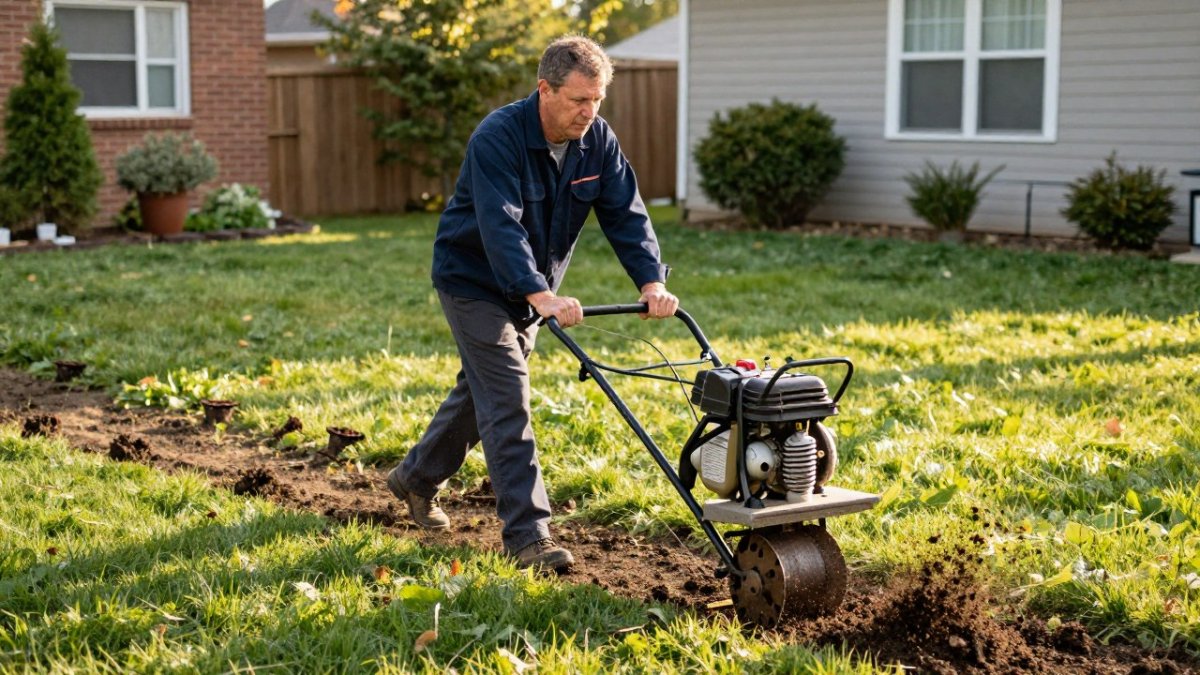
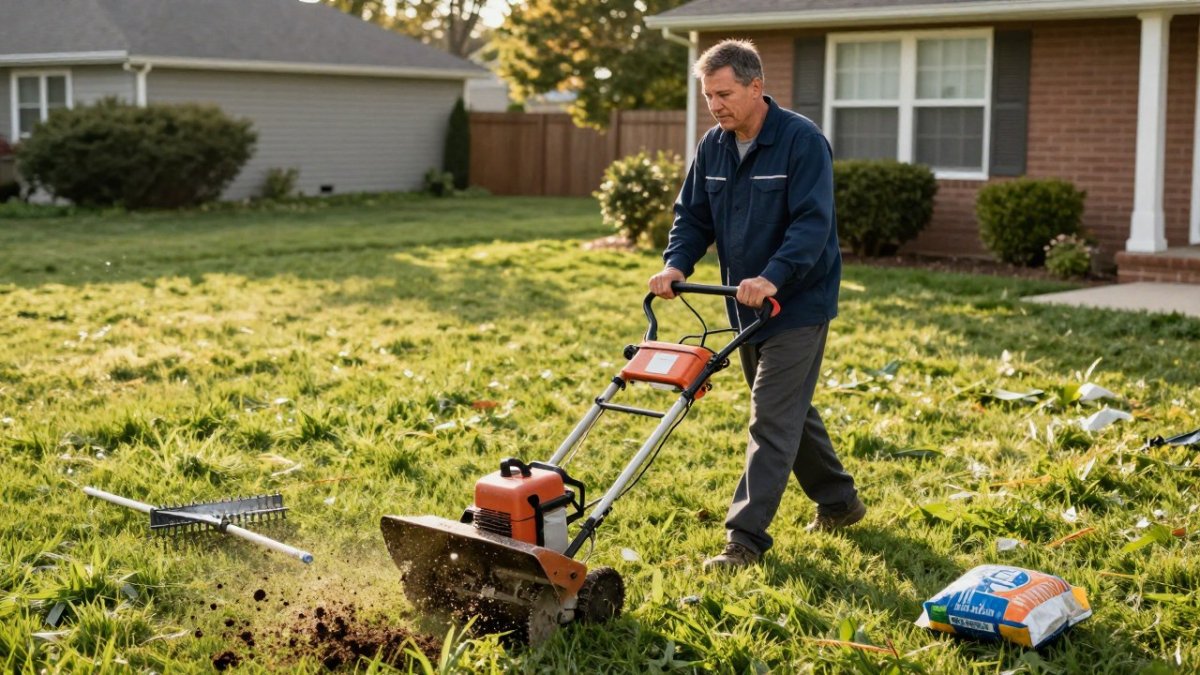
DIY what you can. Planting, mulching, and simple landscaping maintenance are achievable for most homeowners. Hire professionals for skilled trades like hardscape installation, electrical work, or complex grading. This hybrid approach maximizes your budget.
Prioritize, Phase, and Account for Hidden Costs
Most homeowners can't afford their complete vision in year one. Instead, phase your project across multiple years. This spreads costs, allows you to adjust based on results, and prevents budget shock.
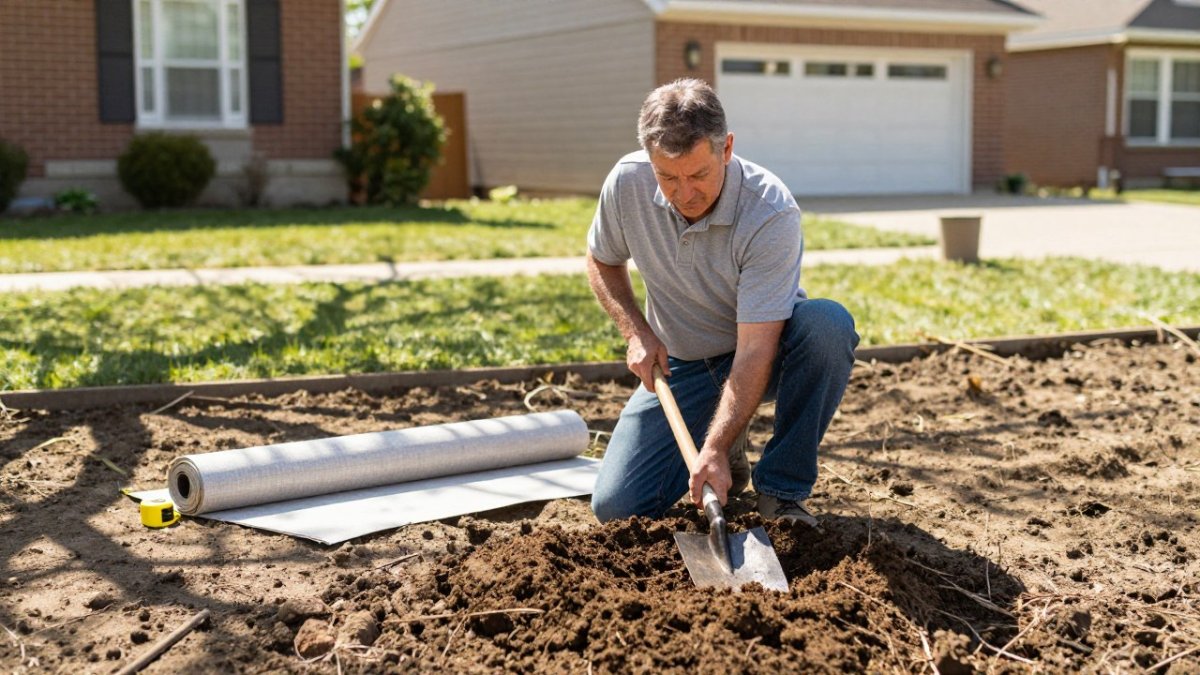
Create a phasing plan. Year one might be site preparation and a patio. Year two adds planting and mulch. Year three includes irrigation or lighting. This approach lets you learn what works before investing heavily.
Hidden costs derail many landscaping projects. Site preparation often costs more than expected. Poor soil requires amendment. Underground utilities need marking before digging. Existing structures may need removal. Drainage problems require solutions. Budget an additional 15-20% contingency to cover these surprises.
When you receive contractor quotes, ask specifically about potential hidden costs. What happens if they discover poor soil? If drainage is inadequate? If underground utilities complicate the work? Understanding these scenarios prevents mid-project sticker shock.
DIY Versus Professional Installation: Cost and Effort
The DIY versus professional decision depends on your skills, time, and the project type. Some tasks suit DIY work; others require professional expertise.
Best for DIY:
- Planting shrubs and perennials
- Mulching
- Simple pathway installation
- Lawn maintenance
- Garden bed prep
Require professional skills:
- Hardscape installation (patios, decks, retaining walls)
- Electrical work (landscape lighting)
- Irrigation system installation
- Complex grading and drainage
- Tree removal or major pruning
DIY saves labor costs but costs your time. Calculate whether your time is worth the savings. If you work 40 hours on a project to save $800 in labor, you're earning $20 per hour, potentially less than the contractor's rate.
Professional installation ensures proper technique, code compliance, and longevity. A poorly installed patio fails within years. Professional installation comes with warranties and guarantees. If something fails, they fix it.
A hybrid approach for most homeowners, where they DIY maintenance and simple tasks and hire professionals for structural work, can balance cost savings with quality outcomes.
Plan for Long-Term Maintenance and Lifecycle Costs
Your landscaping budget doesn't end at installation. Ongoing maintenance and eventual replacement represent significant costs over time. Factor these into your long-term financial planning.
Plants require watering, weeding, pruning, and occasional replacement. Mulch needs refreshing every 1-2 years. Hardscape requires cleaning and occasional repairs. Irrigation systems need seasonal maintenance and occasional repairs.
Calculate annual maintenance costs and set them aside. Many homeowners underestimate this expense and struggle to maintain their investment properly. Neglected landscapes deteriorate quickly, requiring expensive restoration.
Hardscape has a lifecycle. Concrete lasts 25-30 years. Pavers last 25-50 years depending on base preparation. Wood decks last 15-20 years before needing replacement.
Native plants require less maintenance than exotic species once established. Drought-tolerant plants need less water. Low-maintenance design reduces long-term costs significantly.
Creating a realistic budget for backyard landscaping projects requires honest assessment of your goals, property conditions, and financial capacity. Start by understanding your site and priorities.
Frequently Asked Questions
What is a good budget for backyard landscaping?
A good budget depends on your property size, goals, and scope. Most homeowners allocate between $3,000 and $15,000 for a moderate backyard landscaping project, but this varies widely. Start by assessing your priorities, whether you want hardscape work like patios and decks, new planting, or both, then get quotes from professional landscape designers. A designer can help you determine realistic costs for your specific project and identify where you can save without sacrificing quality.
How do I estimate the cost of a backyard landscaping project?
Begin with a site assessment of your property's current conditions, including soil quality, drainage, grading, and existing structures. Measure your outdoor space and list all desired elements: hardscape (patios, decks, pathways), planting (trees, shrubs, mulch), and any special features. Break costs into categories, materials, labor, and site preparation, then research typical pricing for each element. A landscaping cost estimator tool or consultation with a landscape designer can help you refine these estimates and account for regional variations and seasonal adjustments.
What landscaping costs are easy to overlook?
Hidden costs include site preparation (grading, drainage, soil remediation), removal of existing materials, permits or inspections, unexpected underground utilities, and accessibility challenges. Weather delays can extend labor timelines. Maintenance costs are often underestimated, mulch replacement, tree care, irrigation repairs, and seasonal upkeep add up over time. Set aside a contingency fund of 10-15% of your total budget for unexpected expenses. Discuss these potential costs upfront with your contractor to avoid surprises.
How can I save money on backyard landscaping without sacrificing quality?
Prioritize your most impactful elements and phase the project over time rather than doing everything at once. Choose native plants suited to your climate, they require less maintenance and water. Use mulch and groundcover instead of expensive hardscape in some areas. Consider DIY work for simpler tasks like planting and mulching while hiring professionals for complex work like deck building or grading. Get multiple quotes, ask about seasonal discounts, and discuss cost-saving alternatives with your landscape designer. Focus your investment on high-visibility areas that improve curb appeal and home value.