 listicle
10 Best Weed Control for Cool-Season Grass
Table of Contents
- How to Choose Weed Control for Cool-Season Grass
- Quick Comparison Table
- Selective Herbicides for Cool-Season Grass
- Pre-Emergent Herbicide for Cool-Season Lawns
- Weed and Feed for Cool-Season Lawns
- Grassy Weed Control and Specialized Options
- Weed Control Before Overseeding Cool-Season Grass
- Common Mistakes to Avoid
- Frequently Asked Questions
Last Updated: October 15, 2026
How to Choose Weed Control for Cool-Season Grass
Choosing the 10 best weed control for cool season grass depends on three factors: the weeds you're fighting, application timing, and your grass species. Not all herbicides work equally well across Kentucky bluegrass, perennial ryegrass, fescue, or bentgrass, the wrong product can damage turf while leaving weeds untouched.
The most common mistake homeowners make is treating all weeds the same way. Broadleaf weeds like dandelion and clover require different active ingredients than grassy weeds like crabgrass or nutsedge. Timing matters just as much: a spring pre-emergent prevents crabgrass germination, while a post-emergent selective herbicide works only on visible weeds.
Weed Type and Treatment Matching
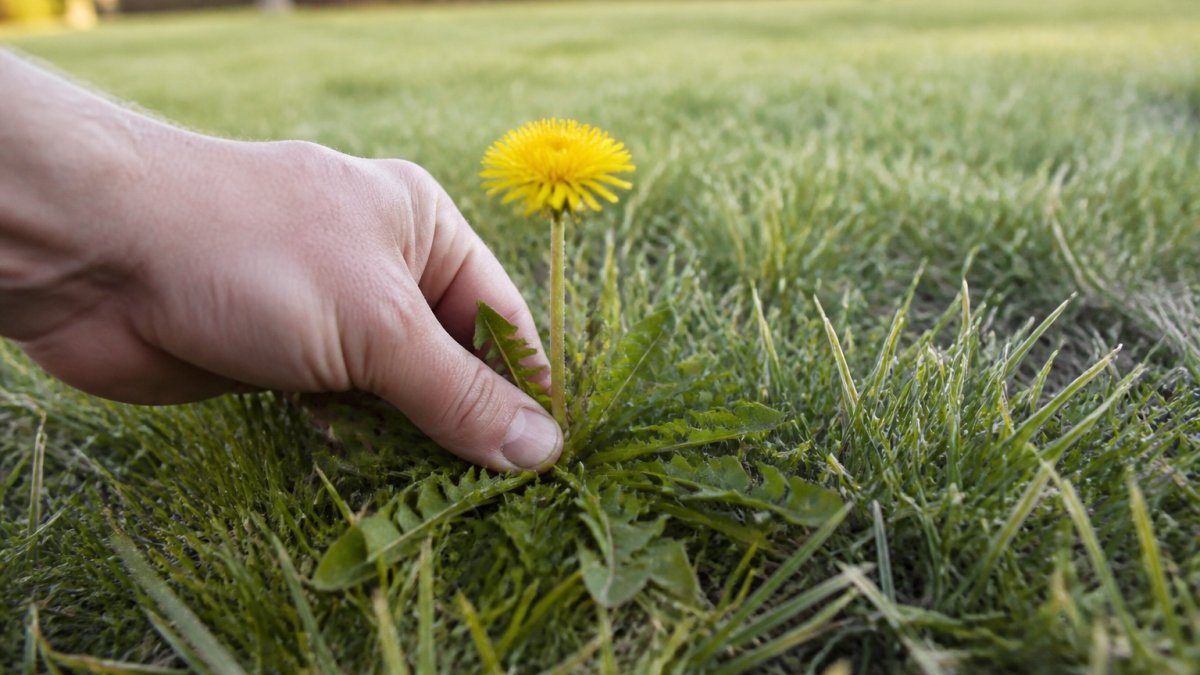
The first step is identifying what you're dealing with. Broadleaf weeds, dandelion, clover, plantain, chickweed, respond to selective herbicides containing 2,4-D or triclopyr. Grassy weeds like crabgrass, foxtail, and annual bluegrass require different chemistry. Sedge and nutsedge are stubborn and often need halosulfuron or sulfentrazone.
Selective herbicides target specific weed types without harming turfgrass, but only if you match the herbicide to the weed. A 2,4-D amine product kills broadleaf weeds but won't touch crabgrass; a grassy weed killer like fenoxaprop-p-ethyl or sethoxydim targets annual grasses but leaves broadleaf weeds standing.
The difference between success and wasted money is proper identification. Walk your lawn and note which weeds dominate: mostly dandelion and clover means a broadleaf selective herbicide; crabgrass means a different active ingredient entirely.
Application Timing by Season
Timing determines success or failure. Pre-emergent herbicides work before weeds germinate, applied in early spring before soil temperatures consistently reach 55°F. Post-emergent herbicides target actively growing weeds and work best when weeds are young and tender, usually in spring and early fall.
For cool-season lawns, spring pre-emergent applications mean late March through April in most climates. Prodiamine applied now prevents crabgrass all summer; miss the window and you'll fight crabgrass all season with post-emergent products, which are less reliable on mature plants.
Post-emergent applications work best in cool weather when weeds are actively growing, spring (April through May) and fall (September through October). Avoid applying during heat stress or drought, since herbicide stress compounds an already struggling lawn. Many selective herbicides also require mowing intervals, so check your label for wait times before or after cutting.
Quick Comparison Table
| Product | Type | Best For | Active Ingredient |
|---|---|---|---|
| 2,4-D Amine Selective Weed Killer | Post-emergent | Broadleaf weeds in established lawns | 2,4-D |
| SpeedZone EW | Post-emergent | Broadleaf and some grassy weeds | Multiple actives |
| Spectracide Weed Killer | Post-emergent | General lawn weeds | Varies by formulation |
| Southern Ag Amine 2,4-D | Post-emergent | Broadleaf weeds | 2,4-D amine |
| Ortho Weed B Gon | Post-emergent | Broadleaf weeds | Multiple actives |
| Prodiamine 65 WDG | Pre-emergent | Prevent crabgrass and annual weeds | Prodiamine |
| GreenView Broadleaf Weed Control Plus Lawn Food | Weed and feed | Broadleaf weeds + lawn nutrition | Multiple actives |
| BioAdvanced Lawn Weed and Crabgrass Killer | Post-emergent | Crabgrass and broadleaf weeds | Multiple actives |
| Fusilade II Herbicide | Post-emergent | Annual and grassy weeds | Fluazifop |
Selective Herbicides for Cool-Season Grass
The 10 best weed control for cool season grass are selective herbicides, which form the foundation for weed control in cool-season turf by targeting specific weed types while leaving desirable turfgrass intact, the key to a clean lawn without resodding.
2,4-D Amine Selective Weed Killer
2,4-D amine is the workhorse of broadleaf weed control, the standard for decades because it works reliably on dandelion, clover, plantain, and chickweed. The amine formulation is less volatile than ester versions, so it won't drift as easily to nearby plants.
Apply when broadleaf weeds are actively growing and your lawn isn't drought-stressed. The herbicide moves through the plant's vascular system, so results appear within 7-10 days. One application typically controls most broadleaf weeds, though stubborn perennials like dandelion may need a fall retreatment.
The limitation: 2,4-D won't touch grassy weeds. With mixed pressure, broadleaf and crabgrass, you'll need a different strategy. Many professionals apply 2,4-D in spring for broadleaf control, then a separate product for grassy weeds.
SpeedZone EW
SpeedZone EW combines multiple active ingredients to target broadleaf and some grassy weeds in one application. It's designed for cool-season turf.
It works faster than 2,4-D alone, many weeds show visible damage within 3-5 days, and the broader spectrum helps if you're unsure which weeds you're fighting. However, it costs more than straight 2,4-D and may be overkill for broadleaf-only problems.
Apply when weeds are young and actively growing, avoiding heat or drought stress. It works best in spring and early fall when cool-season grass is vigorous enough to tolerate herbicide stress.
Spectracide Weed Killer
Spectracide is a general-purpose lawn weed killer available in multiple formulations.
Active ingredients vary by product line, so check your bottle. Spectracide products generally target broadleaf weeds and some annual grasses. The advantage is availability at most garden centers; the disadvantage is inconsistent formulations, making results less predictable than single-active-ingredient products.
Southern Ag Amine 2,4-D Weed Killer
Southern Ag's amine formulation is a straightforward, economical 2,4-D product for homeowners, effective on broadleaf weeds in cool-season lawns with reduced drift risk versus ester versions.
Apply at label rates when weeds are actively growing. It does one job well without combination-product pricing, a solid choice if broadleaf weeds are your only concern.
Ortho Weed B Gon
Ortho Weed B Gon (also marketed as WeedClear Lawn Weed Killer) is a widely available post-emergent herbicide formulated for cool-season grasses, targeting common lawn weeds like dandelion, clover, and plantain.
It's convenient and consistent across applications, but typically costs more per application than generic 2,4-D. Reserve it for situations where convenience matters more than cost.
Pre-Emergent Herbicide for Cool-Season Lawns
Pre-emergent herbicides prevent weeds from germinating in the first place, prevention truly beats treatment. A well-timed application eliminates months of post-emergent spraying.
Prodiamine 65 WDG
Prodiamine is the standard pre-emergent for cool-season lawns, preventing germination of most annual weeds including crabgrass, foxtail, and annual bluegrass. The 65 WDG formulation is a water-dispersible granule that mixes easily with water.
Apply in early spring before soil temperatures consistently reach 55°F, late March through early April in most cool-season regions. It creates a soil barrier that blocks weed seed germination for 3-4 months, so one application typically provides season-long crabgrass prevention.
The critical advantage is that pre-emergents work before weeds appear, preventing the problem rather than fighting it all summer. However, they don't kill existing weeds, if you apply too late and crabgrass has germinated, you'll need a post-emergent alongside it.
Avoid applying pre-emergents within 2-3 weeks of overseeding cool-season grass, as they'll prevent new seed from germinating too. Plan your seeding schedule around pre-emergent applications.
Weed and Feed for Cool-Season Lawns
Weed-and-feed products combine herbicide with fertilizer, addressing two lawn problems in one application, convenient, but with tradeoffs.
GreenView Broadleaf Weed Control Plus Lawn Food
GreenView Broadleaf Weed Control Plus Lawn Food is the top-rated weed-and-feed for cool-season lawns, combining broadleaf weed control with nutrition that promotes growth and greening. Its highly concentrated formulation means less product per application.
The advantage: one application feeds your lawn while controlling broadleaf weeds. The disadvantage: you can't separate timing, if your lawn needs fertilizer but weeds aren't growing, you still apply herbicide, and if weeds are active but your lawn doesn't need feeding, you're adding unnecessary nutrients.
Apply when both conditions are met: weeds actively growing and lawn ready for feeding. Spring is typically ideal for cool-season lawns. Follow label directions, as rates vary by lawn size and weed pressure.
BioAdvanced Lawn Weed and Crabgrass Killer
BioAdvanced Lawn Weed and Crabgrass Killer addresses broadleaf and crabgrass in one product.
It works on established crabgrass (post-emergent) rather than preventing germination. Apply to actively growing weeds in spring or early fall; it's most effective on young crabgrass, while mature plants need higher rates or repeat applications.
The advantage is broad-spectrum control without buying multiple products; the limitation is weaker performance on mature crabgrass than a dedicated grassy weed killer. For heavy infestations, a dedicated grassy weed product may deliver better results.
Grassy Weed Control and Specialized Options
Grassy weeds demand different chemistry than broadleaf weeds. Products like Fusilade II target annual and perennial grasses while preserving cool-season turfgrass.
Fusilade II Herbicide
Fusilade II is a selective herbicide for grassy weed control in cool-season lawns. Its active ingredient, fluazifop, targets annual and grassy weeds like crabgrass, foxtail, and annual bluegrass.
Apply when grassy weeds are actively growing and your lawn isn't drought-stressed. It moves through the plant's vascular system, so results take 7-14 days, with young weeds responding faster than mature plants.
The critical advantage is selectivity: Fusilade II won't harm cool-season grass species. Use it when grassy weeds are the primary concern; with mixed pressure, apply both a broadleaf selective and Fusilade II on separate schedules.
Weed Control Before Overseeding Cool-Season Grass
Overseeding cool-season grass requires strategic weed control timing: apply herbicides too close to seeding and you'll kill new grass; apply too far in advance and new weeds germinate before you seed.
The ideal approach is applying post-emergent herbicides 7-10 days before overseeding, giving existing weeds time to die back without affecting new seed germination. Avoid pre-emergents for 3-4 weeks before and after seeding, as they'll prevent new grass from establishing.
With heavy weed pressure, consider a two-step approach: apply pre-emergent in spring to prevent crabgrass, then overseed in fall after post-emergent treatment of remaining weeds. This gives clean soil for new seed without pre-emergent interference.
Many professionals recommend waiting 2-3 weeks after post-emergent application before overseeding, ensuring the herbicide has fully translocated through existing weeds and won't interfere with new seed germination. Always check your label for seeding intervals, as some products have specific waiting periods.
Common Mistakes to Avoid
The most expensive mistake is applying the wrong herbicide type. Broadleaf selective herbicides won't kill crabgrass. Grassy weed killers won't touch dandelion. Identify your weeds first, then choose your product.
Timing errors cost money and effectiveness.
Ignoring label directions leads to poor results and turf damage. Application rates, mowing intervals, and reapplication timing are specified for a reason, double-strength applications typically damage your lawn without improving weed control.
Overseeding too soon after herbicide application kills new seed. Wait the recommended interval, typically 2-3 weeks for post-emergents and 3-4 weeks for pre-emergents. This is where many DIY efforts fail.
Neglecting cultural practices undermines chemical weed control. Maintain proper mowing height (2.5-3.5 inches for most cool-season grasses), fertilize per soil test recommendations, and irrigate during drought, these reduce weed pressure and make herbicides more effective.
Persistent weed problems often signal deeper lawn health issues. Thin turf, poor drainage, or nutrient deficiencies create openings for weeds. If DIY applications aren't delivering results, we recommend a professional assessment.
Frequently Asked Questions
What is the best weed killer that doesn't kill cool-season grass?
Selective herbicides are designed to kill broadleaf and grassy weeds while leaving cool-season turf like Kentucky bluegrass, perennial ryegrass, and fescue unharmed. Post-emergent selective herbicides such as 2,4-D and SpeedZone work by targeting the growth patterns of weeds. Always check the product label to confirm it is safe for your specific cool-season grass species before application.
When should you apply weed control to a cool-season lawn?
Pre-emergent herbicides should be applied in early spring (before soil temperature reaches 55°F consistently) and in fall to prevent crabgrass and other annual weeds from establishing. Post-emergent herbicides work best when weeds are actively growing, typically in spring and early fall when cool-season grass is thriving. Avoid applications during summer heat stress or when grass is dormant.
Can you use weed killer before overseeding cool-season grass?
Yes, but timing matters. Apply post-emergent herbicides at least 2 to 3 weeks before overseeding to allow the product to work and break down. For pre-emergent weed control before overseeding, use products that break down quickly or apply them after seeding as directed on the label. Always follow the seeding interval specified on the herbicide label to avoid damage to new seedlings.
What is the best weed and feed product for cool-season lawns?
GreenView Broadleaf Weed Control Plus Lawn Food combines herbicide with lawn fertilizer, addressing both weed suppression and turf nutrition in one application. BioAdvanced Lawn Weed and Crabgrass Killer targets both broadleaf and grassy weeds. Choose based on your primary weed type and whether your lawn needs additional fertilizer nutrients.