 comparison
Weekly vs Biweekly Lawn Mowing for Healthy Lawns
Table of Contents
- Weekly vs Biweekly Mowing: Quick Comparison
- How Often to Mow Your Lawn in Cleveland
- Lawn Mowing Schedule by Season
- Grass Height Before Mowing Matters
- Weekly Mowing: Benefits for Lawn Health
- Biweekly Mowing: Budget and Growth Considerations
- Cost of Biweekly Lawn Mowing and Budget Planning
- Choosing Your Mowing Schedule: A Decision Framework
- Frequently Asked Questions
Last Updated: October 10, 2026
Weekly vs Biweekly Mowing: Quick Comparison
Deciding between weekly vs biweekly mowing for Cleveland lawns comes down to grass growth, season, and your budget. Weekly mowing keeps your lawn healthier and denser, but biweekly mowing saves money and works fine during slower-growth periods.
Weekly mowing removes less grass per cut, stressing the plant less and promoting thicker growth. Biweekly mowing removes more material at once, which can temporarily shock the grass but costs less overall.
Most Greater Cleveland lawns benefit from weekly mowing during spring and early summer when growth is fastest. Biweekly schedules work during mid-summer heat or fall slowdown. Winter requires minimal mowing.
| Schedule | Best Season | Grass Health | Budget | Appearance |
|---|---|---|---|---|
| Weekly | Spring, early summer | Excellent | Higher cost | Dense, manicured |
| Biweekly | Summer slowdown, fall | Good | Lower cost | Acceptable, slightly longer |
| As-needed | Late fall, winter | Varies | Lowest cost | Uneven growth |
How Often to Mow Your Lawn in Cleveland
Mowing frequency depends on season, growth rate, and grass species. Weekly mowing is standard during spring and early summer peak growth. Biweekly becomes acceptable as growth slows in mid-summer heat or late fall.
Cleveland's climate supports cool-season grasses almost exclusively. The three most common species in the Greater Cleveland area are:
Kentucky bluegrass, Self-repairing, drought-tolerant, and slow to establish. Grows aggressively in spring and fall. Ideal cutting height: 2.5-3 inches. Tolerates biweekly mowing better due to its rhizome system.
Tall fescue, Deep-rooted, heat-tolerant, and coarse-textured. Ideal cutting height: 3-3.5 inches. Prefers weekly mowing during spring and fall; can handle biweekly in mid-summer if irrigated.
Perennial ryegrass, Fine texture, quick germination, moderate heat tolerance. Ideal cutting height: 2-3 inches. Requires weekly mowing during growth periods; biweekly risks scalping in spring and fall.
If unsure which grass you have, examine a small patch: Kentucky bluegrass has fine, narrow blades and lighter green; tall fescue has coarser, wider blades and deeper green; perennial ryegrass is fine and dense.
A practical rule: mow whenever your grass reaches about one-third taller than your target cutting height. If you want grass at 2.5 inches, mow when it hits 3.5 inches.
Monitor your lawn's actual growth rate rather than the calendar. After heavy rain, mow within 5-6 days. During drought or extreme heat (above 85°F), stretch to biweekly without harming the lawn.
Uneven lawn conditions may require different frequencies: shaded areas tolerate biweekly mowing while sunny sections need weekly attention.
Lawn Mowing Schedule by Season
Your mowing frequency should shift with Cleveland's seasons. Spring demands weekly attention, summer requires flexibility, and fall transitions back to weekly before winter dormancy.
Spring and Early Summer Growth
Spring is when cool-season grasses wake up and grow aggressively, making weekly mowing essential.
Start mowing in early spring (late March or early April) once grass reaches mowing height. Early spring cuts should be slightly higher to protect new growth and encourage root development.
From mid-April through May, weekly mowing is standard. Grass grows fastest during this period, and weekly cuts prevent scalping and maintain density.
Mid-Summer and Heat Stress
Mid-summer (June through August) is when mowing frequency decisions matter most. Heat stress slows growth, making biweekly mowing practical for many homeowners.
Cool-season grasses slow during heat stress. If temperatures exceed 85°F and rainfall is limited, biweekly mowing is often adequate.
If you have irrigation or regular rainfall, grass may still grow weekly. Check your lawn's actual growth rate rather than assuming heat means slower growth.
Raise your cutting height during summer to 3-3.5 inches to shade soil, retain moisture, and help grass survive heat stress.
Fall Recovery and Late-Season Growth
Fall is the second major growth period for cool-season grasses. Return to weekly mowing in early fall to take advantage of ideal growing conditions.
Weekly fall mowing allows grass to build root reserves and develop density before winter dormancy, resulting in a thicker, healthier spring lawn.
Continue weekly mowing through October. As growth slows in November, you can transition to biweekly or as-needed mowing. Stop regular mowing once frost arrives and grass goes dormant, usually by mid-November in the Greater Cleveland area.
Grass Height Before Mowing Matters
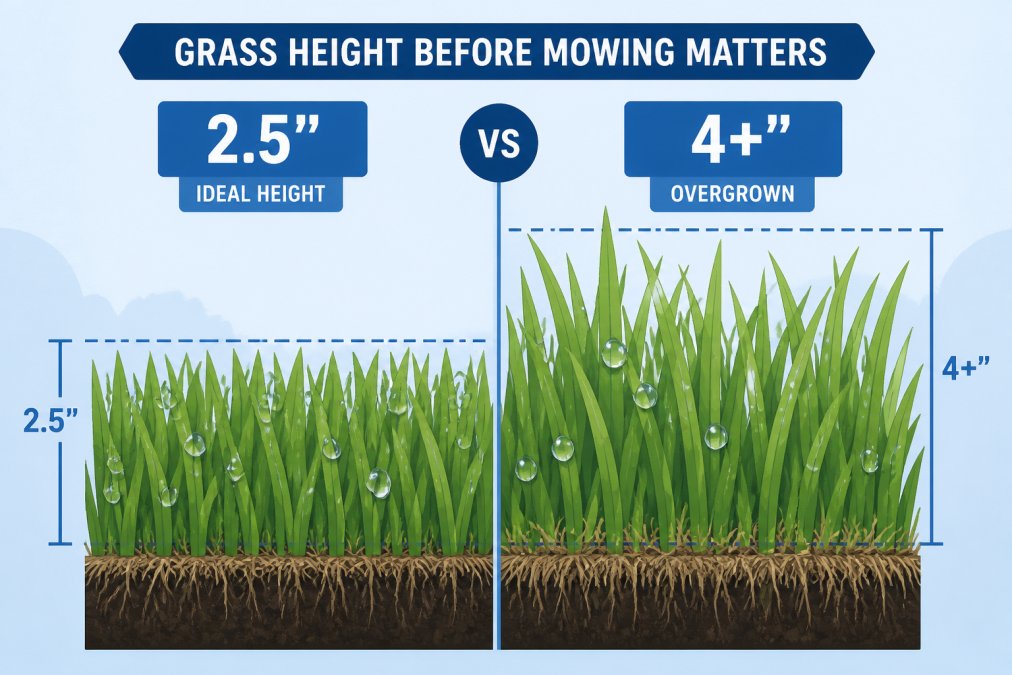
Cutting height matters more than frequency. Mow when grass reaches one-third taller than your target height (typically 2.5-3 inches for Greater Cleveland lawns).
The "one-third rule" prevents scalping and shock. Cutting more than one-third of the blade invites weeds and disease.
Never scalp your lawn by cutting it too short. Scalping exposes soil, weakens the grass, and creates openings for weeds. If your lawn gets overgrown and you need to catch up, raise your mower deck and make multiple passes over several weeks rather than cutting it all at once.
Different grass types have slightly different ideal heights. Tall fescue tolerates 3-3.5 inches. Kentucky bluegrass does well at 2.5-3 inches. Perennial ryegrass prefers 2-3 inches. When in doubt, err toward taller rather than shorter during hot months.
Weekly Mowing: Benefits for Lawn Health
Weekly mowing produces the healthiest, densest lawn by encouraging more shoots and thicker turf that crowds out weeds and resists disease.
Each weekly cut removes less material, so grass recovers faster with less shock and develops deeper roots and better drought tolerance over time.
Weekly mowing maintains a manicured appearance with no overgrown phases.
The main drawback is cost and time commitment. Weekly mowing requires either weekly visits from a professional service or weekly effort if you're doing it yourself. For homeowners with limited budgets, this adds up.
Biweekly Mowing: Budget and Growth Considerations
Biweekly mowing costs roughly half as much as weekly service and works well during slower-growth periods, especially mid-summer through early fall.
Biweekly mowing removes more grass per cut, temporarily stressing the plant. If you follow the one-third rule, lawns recover within days and maintain acceptable appearance during non-peak growth.
Biweekly mowing produces a slightly less dense lawn over time, but appearance and health remain acceptable for many homeowners.
Biweekly mowing is most practical from mid-June through August when cool-season grass growth naturally slows. During spring and fall peak growth, biweekly often results in scalping because grass grows too much in two weeks.
Cost of Biweekly Lawn Mowing and Budget Planning
Professional lawn mowing services price based on lawn size, terrain, slope, and frequency. The real cost difference between weekly and biweekly accounts for how overgrown grass affects labor and cutting time.
Per-visit pricing typically ranges from $35 to $75 for a standard residential lawn (5,000-10,000 square feet), depending on the service provider and property complexity. A lawn with slopes, obstacles, or thick overgrowth costs more.
When grass grows for two weeks, the mower deck fills faster, requiring more frequent stops and multiple passes. A lawn taking 30 minutes weekly might take 40-45 minutes biweekly, even though visits happen half as often.
Example seasonal cost comparison for a typical 7,500-square-foot lawn:
- Weekly mowing (March through October, 32 weeks): 32 visits × $50 per visit = $1,600 per season
- Biweekly mowing (same period, 16 visits): 16 visits × $65 per visit (higher per-visit cost due to overgrowth) = $1,040 per season
- Seasonal savings with biweekly: ~$560, or about 35% less than weekly
If you shift to a hybrid seasonal schedule (weekly March-May and September-October, biweekly June-August), you balance lawn health with budget:
- Spring weekly (9 weeks): 9 visits × $50 = $450
- Summer biweekly (13 weeks): 6-7 visits × $65 = $390-$455
- Fall weekly (9 weeks): 9 visits × $50 = $450
- Total hybrid cost: ~$1,290-$1,355 per season (roughly 20% less than full weekly, but with better spring and fall lawn quality)
Additional cost factors to consider:
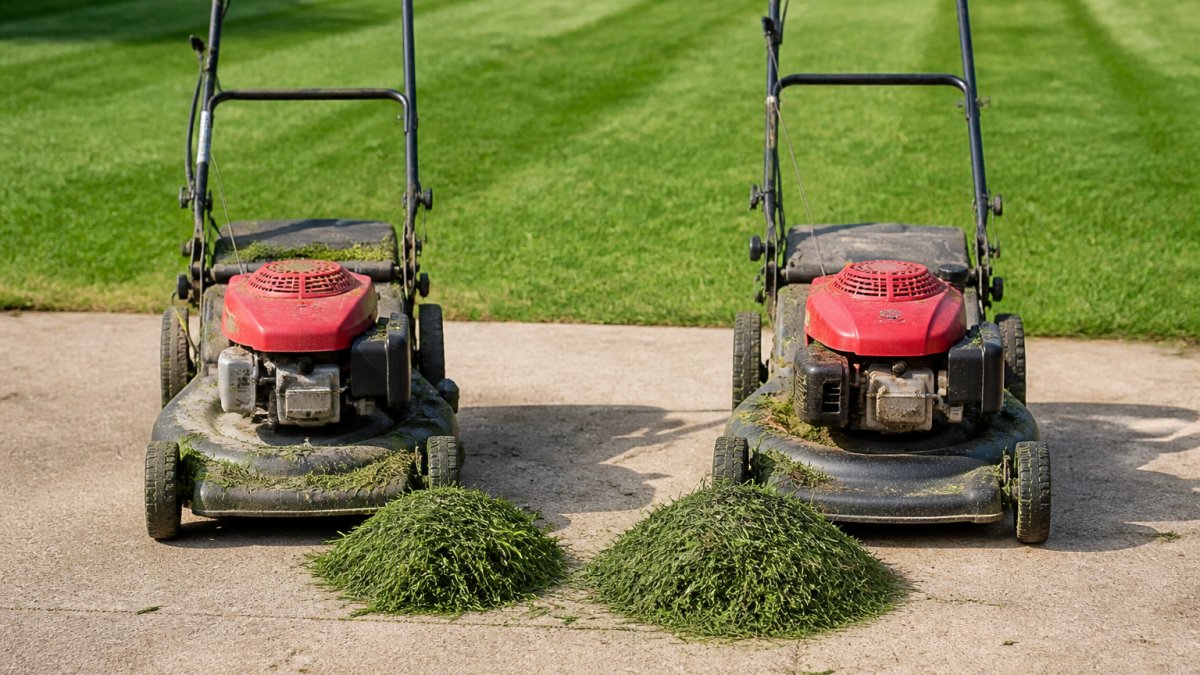
Clipping management: Weekly mowing produces fine clippings that break down quickly. Biweekly produces larger clippings that may clump and require bagging, adding labor and disposal costs.
Blade sharpness: Overgrown grass dulls blades faster, potentially increasing sharpening costs over the season.
Equipment wear: Cutting taller grass stresses mower engines and decks, which services may factor into biweekly pricing.
Spring and fall peak growth: Year-round biweekly mowing may require scalping in spring and fall, damaging grass and requiring costly overseeding or repair.
When asking for quotes, request pricing for three scenarios: full weekly, full biweekly, and seasonal hybrid. Compare the total seasonal cost, not just per-visit rates. Ask whether the service includes clipping management, blade sharpening, and how they handle overgrown lawns. Some services charge extra for biweekly cuts if grass is significantly overgrown, which can erase the savings.
Choosing Your Mowing Schedule: A Decision Framework
The right mowing schedule for your Cleveland lawn depends on four factors: your grass type, the current season, your budget, and your lawn's appearance goals.
Start with your grass type. If you have cool-season grass (the standard for Greater Cleveland), weekly mowing during spring and fall is ideal. During summer, shift to biweekly if growth slows.
Next, assess your lawn's actual growth rate. Don't assume the calendar, watch your grass. If it reaches mowing height in 5-6 days, stick with weekly. If it takes 10-12 days, biweekly works fine.
Budget is the practical reality. Weekly service costs more. If your budget is limited, biweekly is acceptable during slower-growth periods. Plan for weekly during peak growth and biweekly during slowdown.
Finally, decide what appearance you want. A manicured lawn requires weekly mowing. A neat but slightly longer lawn accepts biweekly. An acceptable but variable lawn can do as-needed mowing during dormant seasons.
Most Greater Cleveland homeowners benefit from weekly mowing March through May, biweekly June through August, and weekly again September through October. This matches grass growth patterns and balances health with budget.
Choosing between weekly vs biweekly mowing is a decision that affects both your lawn's health and your budget. The healthiest approach is weekly mowing during peak growth seasons, but biweekly works well during summer slowdown and late fall. Ward's Lawn Care & Landscape Co. can assess your specific lawn, recommend the right schedule for your grass type and season, and handle the mowing consistently so you don't have to worry about timing. Contact us for a free estimate and let our highly trained technicians develop a seasonal mowing plan that keeps your lawn healthy while respecting your budget.
Frequently Asked Questions
How often should you mow a lawn in Cleveland?
During active growing seasons (spring through early fall), most lawns benefit from weekly mowing. In slower-growth periods like mid-summer heat or late fall, biweekly mowing works well. The key is cutting no more than one-third of the grass blade per mowing to maintain root health and turf density. Your specific schedule depends on grass type, rainfall, and lawn condition.
Is weekly or biweekly mowing better for a healthy lawn?
Weekly mowing is generally better for lawn health during active growth periods because smaller, frequent cuts reduce stress on the root system and encourage denser turf. Biweekly mowing works during slower-growth seasons but risks scalping if grass grows too tall between cuts. The ideal approach adjusts frequency with the season and your grass growth rate.
How tall should grass be before you mow it?
Mow when grass reaches about 3 to 3.5 inches tall for cool-season grasses common in the region, cutting it down to 2.5 inches. This follows the one-third rule: never remove more than one-third of the blade in a single mowing. Cutting too short stresses the root system and slows recovery; cutting too infrequently allows overgrowth that weakens turf density.
Can you mow a lawn every two weeks during the growing season?
Biweekly mowing is possible during slower-growth periods like mid-summer heat or cooler fall months, but it's risky during peak spring and early-summer growth. If you choose biweekly mowing, monitor grass height closely and be prepared to switch to weekly cuts if growth accelerates. Skipping mowings during active growth increases the risk of scalping and root stress.