 ultimate-guide
Commercial Property Exterior Maintenance Tips
Table of Contents
- Why Commercial Property Exterior Maintenance Matters
- Roof Inspection and Repair
- Gutter, Downspout, and Drainage System Maintenance
- Parking Lot and Pavement Maintenance
- Creating a Commercial Building Exterior Maintenance Checklist
- Developing a Commercial Landscaping Maintenance Schedule
- Preventive Maintenance for Commercial Properties: Planning and Budgeting
- Frequently Asked Questions
Last Updated: September 3, 2026
Why Commercial Property Exterior Maintenance Matters
A well-maintained commercial property exterior is one of the first things potential customers, clients, and employees notice about your business. The condition of your building's facade, landscaping, parking lot, and grounds communicates professionalism, attention to detail, and trustworthiness. Neglecting exterior maintenance tips can quickly erode that first impression and lead to costly structural problems down the road.
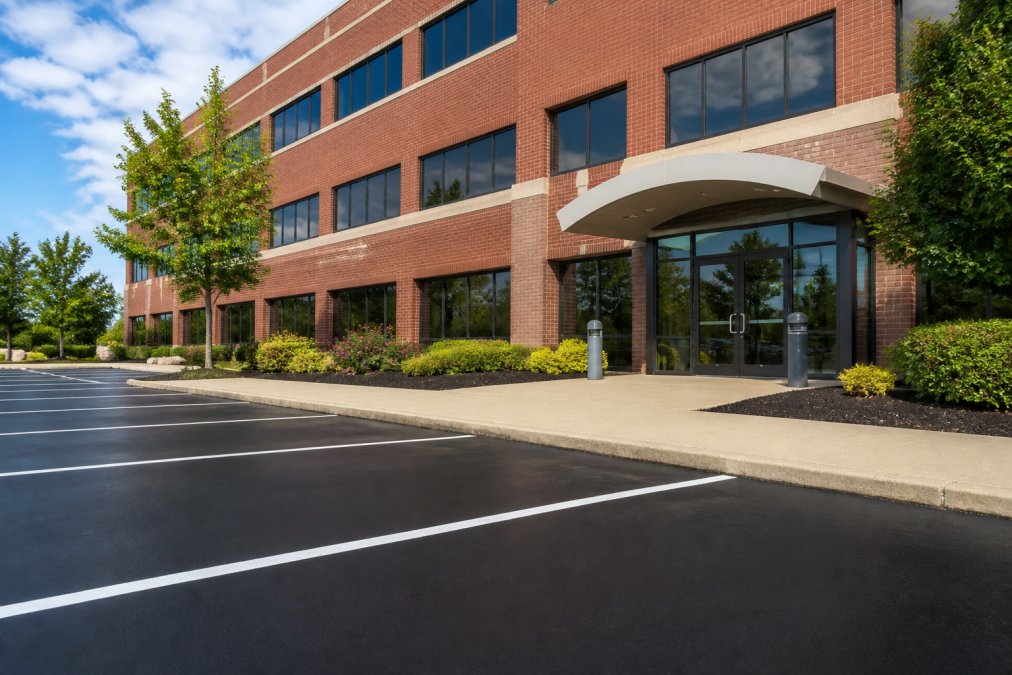
At Ward's Lawn Care & Landscape Co., we've worked with commercial property managers across Greater Cleveland since 1986, and we've seen firsthand how preventive exterior maintenance protects asset value and curb appeal. When you stay on top of routine upkeep, from roof inspections to gutter cleaning to parking lot sealing, you avoid the emergency repairs that drain budgets and disrupt business operations.
The real difference between a property that looks neglected and one that looks professional often comes down to consistency. A systematic approach to commercial property exterior maintenance tips ensures nothing gets overlooked. You're not just cleaning; you're preserving structural integrity, preventing water damage, reducing liability risks, and maintaining the asset preservation that protects your investment.
Roof Inspection and Repair
Your roof is your building's primary defense against water intrusion and weather damage. Regular roof inspection should happen at least twice per year, once in spring and once in fall, plus after severe weather events (nrca.net). During a walkthrough inspection, look for missing or damaged shingles, signs of wear on the roof membrane, standing water in flat areas, and any visible deterioration of flashing around vents and chimneys.
Early detection of roof problems saves thousands in water damage repairs. A small leak that goes unnoticed for months can compromise insulation, damage interior ceilings, and create mold growth. When you catch issues during routine inspection, you can schedule repairs on your timeline rather than responding to an emergency.
The structural integrity of your roof depends on proper drainage and sealed seams. If your building has a flat roof, check for ponding water, areas where water collects and sits. Flat roofs should drain within 48 hours of rainfall (nrca.net). If water pools, you may need to improve drainage or address settling in the roof structure. For pitched roofs, ensure gutters and downspouts are clear so water flows away from the building.
:::pro-tip Schedule roof inspections before winter and spring storms hit. Many roofing contractors book up quickly during severe weather season, and you'll want to address any damage before heavy rain or snow arrives. :::
Document your roof inspections with photos and notes. This record helps you track patterns, plan budgets for replacement or major repairs, and demonstrates due diligence if a liability issue arises. Most commercial roofs last 15-25 years depending on material and climate; knowing your roof's age and condition helps you plan capital expenditure for eventual replacement (nrca.net).
Gutter, Downspout, and Drainage System Maintenance
Clogged gutters are one of the most common causes of water damage to commercial buildings. Leaves, twigs, dirt, and debris accumulate in gutters, blocking water flow and forcing it to back up under roofing materials or cascade down exterior walls. Clean gutters at least twice yearly, in late fall after leaves drop and in early spring before heavy rains arrive.
Clear downspouts and verify they discharge water at least 5-10 feet away from your building's foundation. Many properties have drainage systems that direct water into underground pipes; make sure these outlets aren't blocked or clogged. Water pooling near the foundation leads to basement flooding, foundation cracks, and landscape erosion.
Check for sagging gutters, loose fasteners, and separation from the fascia. Gutters that pull away from the building allow water to run behind them, defeating their purpose. Damaged gutters may need repair or replacement, a relatively small expense compared to the water damage they prevent.
For buildings with extensive landscaping, consider installing gutter guards or screens to reduce debris accumulation. This reduces the frequency of cleaning needed and helps maintain proper drainage throughout the year.
Parking Lot and Pavement Maintenance
Your parking lot is part of your property's first impression and a significant liability area. Cracked asphalt, potholes, and uneven surfaces create slip-and-fall hazards and can damage customer vehicles. A well-maintained parking lot with clear striping, smooth pavement, and good drainage signals that you care about safety and appearance.
Inspect your pavement regularly for cracks, potholes, and areas of settlement or heaving. Small cracks can be sealed before they expand into larger damage. Pavement sealing protects asphalt from UV damage, water penetration, and oxidation. Most commercial parking lots benefit from sealing every 2-3 years, depending on traffic volume and climate.
Parking lot striping should be refreshed regularly so spaces are clearly visible and ADA-compliant accessible parking is properly marked and reserved. Faded or missing striping creates confusion, increases liability, and looks unprofessional. Clear markings also improve traffic flow and reduce accidents.
Ensure proper drainage in your parking lot. Water that pools on pavement accelerates deterioration and creates safety hazards. If you notice standing water after rain, you may need to address grading or drainage systems. Well-designed drainage protects your pavement investment and reduces maintenance costs over time.
Creating a Commercial Building Exterior Maintenance Checklist
A structured maintenance checklist ensures nothing gets overlooked and helps you track what's been completed. Your commercial building exterior maintenance checklist should cover all major components and include frequency guidelines for each task.
Start with a comprehensive walkthrough of your entire property. Document the condition of your roof, gutters, downspouts, facade, windows, doors, parking lot, landscaping, lighting, and any other exterior elements. Take photos and notes for each area. This baseline assessment helps you prioritize work and establish a realistic maintenance schedule.
Break your checklist into monthly, quarterly, and seasonal tasks. Monthly tasks might include visual inspections for obvious damage or debris. Quarterly tasks could include gutter cleaning, parking lot inspection, and landscaping assessment. Seasonal tasks align with weather changes, winterization in fall, spring cleanup, summer landscape maintenance.
Your checklist should assign responsibility for each task. Will you handle routine cleaning and inspection in-house, or will you contract with a professional service? For tasks requiring specialized expertise, like roof inspection or pavement sealing, identify qualified contractors and schedule work in advance.
| Task | Frequency | Responsibility | Estimated Duration |
|---|---|---|---|
| Roof inspection | Twice yearly | Professional inspector | 1-2 hours |
| Gutter cleaning | Twice yearly | In-house or contractor | 2-4 hours |
| Parking lot inspection | Monthly | Property manager | 30 minutes |
| Pavement sealing | Every 2-3 years | Contractor | 1-3 days |
| Facade inspection | Annually | Professional | 2-4 hours |
| Landscaping maintenance | Weekly/monthly | In-house or contractor | Varies |
| Lighting inspection | Quarterly | In-house or contractor | 1-2 hours |
| Pressure washing | Annually | Contractor | 4-8 hours |
Review and update your checklist annually. As your property ages, maintenance needs change. Document completed work, note any repairs or replacements made, and adjust frequencies based on what you learn.
Developing a Commercial Landscaping Maintenance Schedule
Landscaping is a major component of your property's curb appeal and grounds safety. A structured commercial landscaping maintenance schedule ensures your landscape stays healthy, attractive, and safe throughout the year.
Spring maintenance focuses on cleanup and renewal. Remove winter debris, rake mulch beds, prune dead branches, and prepare landscape beds for new plantings. Spring is the ideal time to address any winter damage to shrubs, trees, and hardscaping. Plant new trees and shrubs, refresh mulch, and start regular lawn care routines.
Summer requires consistent watering, mowing, and pest management. Landscape irrigation systems should be checked and adjusted for seasonal rainfall patterns. Trees and shrubs need regular watering during dry periods. Lawn care includes weekly or bi-weekly mowing, weed control, and fertilization. Summer is also when you'll notice pest problems, address them promptly to prevent damage to landscape plants.
Fall maintenance prepares your property for winter. Leaf cleanup is essential for landscape health and appearance. Aerate and overseed lawns to encourage strong spring growth. Prune trees and shrubs to remove dead wood and improve structure. Drain irrigation systems before the first freeze to prevent damage.
Winter maintenance is lighter but important. Clear snow and ice from walkways and parking areas to maintain safety and prevent slip-and-fall liability. Avoid using salt on landscaping, it damages plants and contaminates soil. De-icing products safe for vegetation are available if needed.
A well-planned landscaping maintenance schedule keeps your grounds looking professional, protects plant health, and reduces emergency repairs. Consistency matters more than intensity, regular light maintenance beats sporadic heavy work.
Preventive Maintenance for Commercial Properties: Planning and Budgeting
Preventive maintenance for commercial properties is fundamentally about planning ahead and allocating resources strategically. When you invest in regular upkeep, you avoid the emergency repairs that disrupt operations and drain budgets unexpectedly.
Start by assessing your property's current condition and age. Older buildings require more frequent inspections and preventive work. Newer buildings may need less attention but still benefit from routine care. Understanding your property's baseline helps you forecast maintenance needs and budget accordingly.
Establish a capital expenditure plan for major repairs and replacements. Roofs, parking lots, HVAC exterior units, and landscaping all have finite lifespans. Knowing when these components will likely need replacement helps you save for the expense and avoid financial surprises. A roof lasting 20 years means you should budget for replacement in year 18-19, not scramble when it fails in year 20.
Track maintenance costs and identify patterns. If you're repeatedly repairing the same parking lot area, perhaps pavement sealing or base repairs are needed. If gutters keep clogging, maybe gutter guards would save money long-term. Data-driven decisions improve your maintenance strategy over time.
Many property managers find that contracting with a professional service for routine maintenance is cost-effective. A service provider handles scheduling, completes work consistently, and often catches problems early. This approach frees up your time and often costs less than managing multiple contractors or doing work in-house.
Budget for both routine maintenance and contingency repairs. A general guideline is to allocate 1-3% of your property's value annually for maintenance, depending on the building's age and condition. Newer properties with well-maintained systems may run closer to 1%; older properties or those with deferred maintenance might need 3% or more.
Protecting your commercial property's exterior requires a systematic approach to exterior maintenance tips across all major components. From roof inspection and gutter cleaning to parking lot maintenance and landscaping schedules, each task serves a purpose in preserving your building's structural integrity, safety, and appearance.
Ward's Lawn Care & Landscape Co. has been helping commercial property managers across Greater Cleveland maintain professional, well-kept exteriors since 1986. Our highly trained technicians handle everything from routine groundskeeping and landscape maintenance to comprehensive exterior inspections and seasonal upkeep. We work with you to develop a maintenance schedule that fits your property's needs and your budget, so you can focus on your business while we protect your investment. Contact us for a free estimate and let's create a maintenance plan that keeps your property looking professional year-round.
Frequently Asked Questions
What is the 1% rule for commercial property maintenance budgeting?
The 1% rule suggests allocating 1% of your property's value annually toward preventive maintenance. For example, for a $1 million commercial property, this means budgeting $10,000 per year. This approach helps avoid costly emergency repairs by spreading maintenance costs predictably. Many property managers find this framework balances asset preservation with realistic spending without triggering surprise expenses mid-project.
How often should a commercial building exterior be inspected?
Most commercial properties benefit from quarterly inspections, at minimum, once each season. After severe weather, inspect sooner. Roof membranes, gutters, and parking lot surfaces should be examined every three months to catch efflorescence, cracks, or drainage issues early. Seasonal walkthrough inspections help identify problems before they escalate into expensive structural integrity issues or safety hazards.
What's the difference between preventive and reactive exterior maintenance?
Preventive maintenance addresses small issues before they become major problems, sealing pavement cracks, cleaning gutters, inspecting roof membranes. Reactive maintenance happens after failure, replacing failed fascia, repairing drainage system backups, or addressing slip and fall hazards. Preventive approaches cost less overall and protect your property's valuation. Reactive work is expensive, disruptive, and often creates liability exposure.
How does professional landscaping impact commercial property value?
Landscaping directly influences curb appeal and property valuation. Well-maintained grounds, healthy irrigation systems, and strategic lighting improvements can increase perceived value. Professional groundskeeping demonstrates asset preservation to tenants, customers, and potential buyers. Neglected landscaping signals deferred maintenance, which lowers ROI and creates negative first impressions that affect business performance.